SEE China 2026 · Program Details
AI is changing how success works, how competition works, and how China matters to students' future pathways. As a result, students increasingly need two things schools still do not systematically provide: the ability to make sound judgments and deliver reliable outcomes, and systematic understanding of modern China as a strategic advantage. SEE China is designed to train both through modern China as a real-world complex system — creating a stronger foundation for majors, careers, college applications, and future pathways.
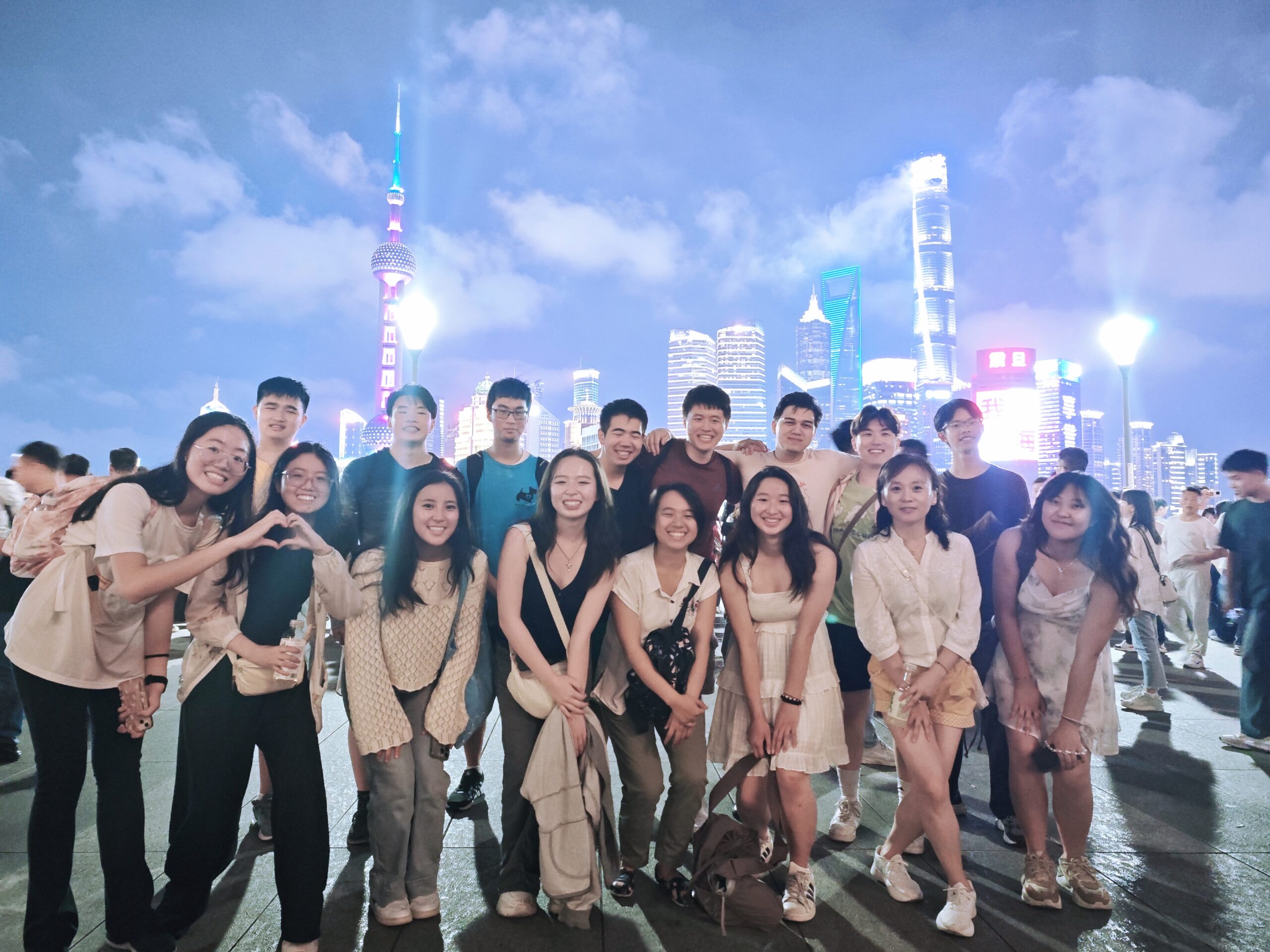
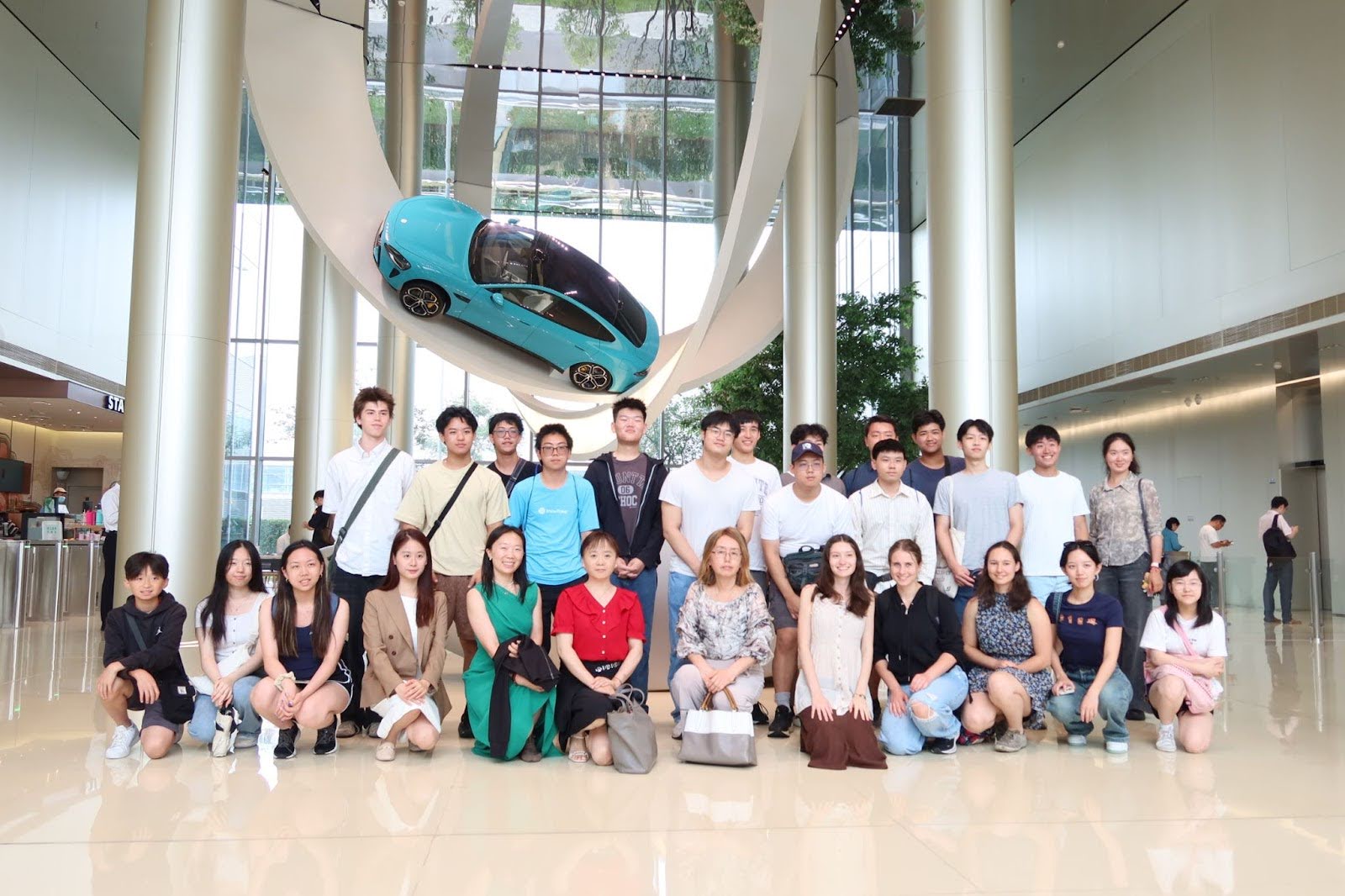
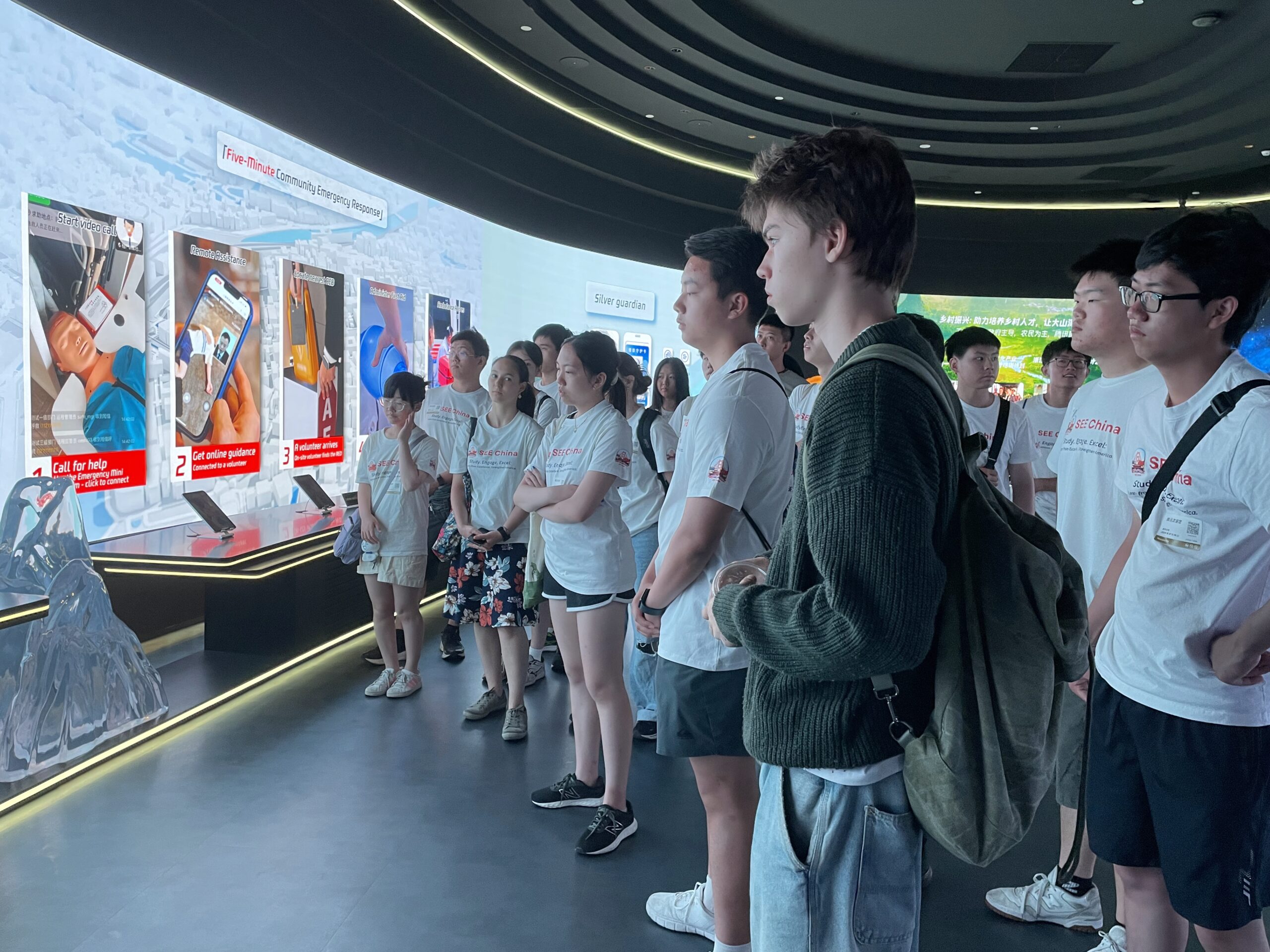
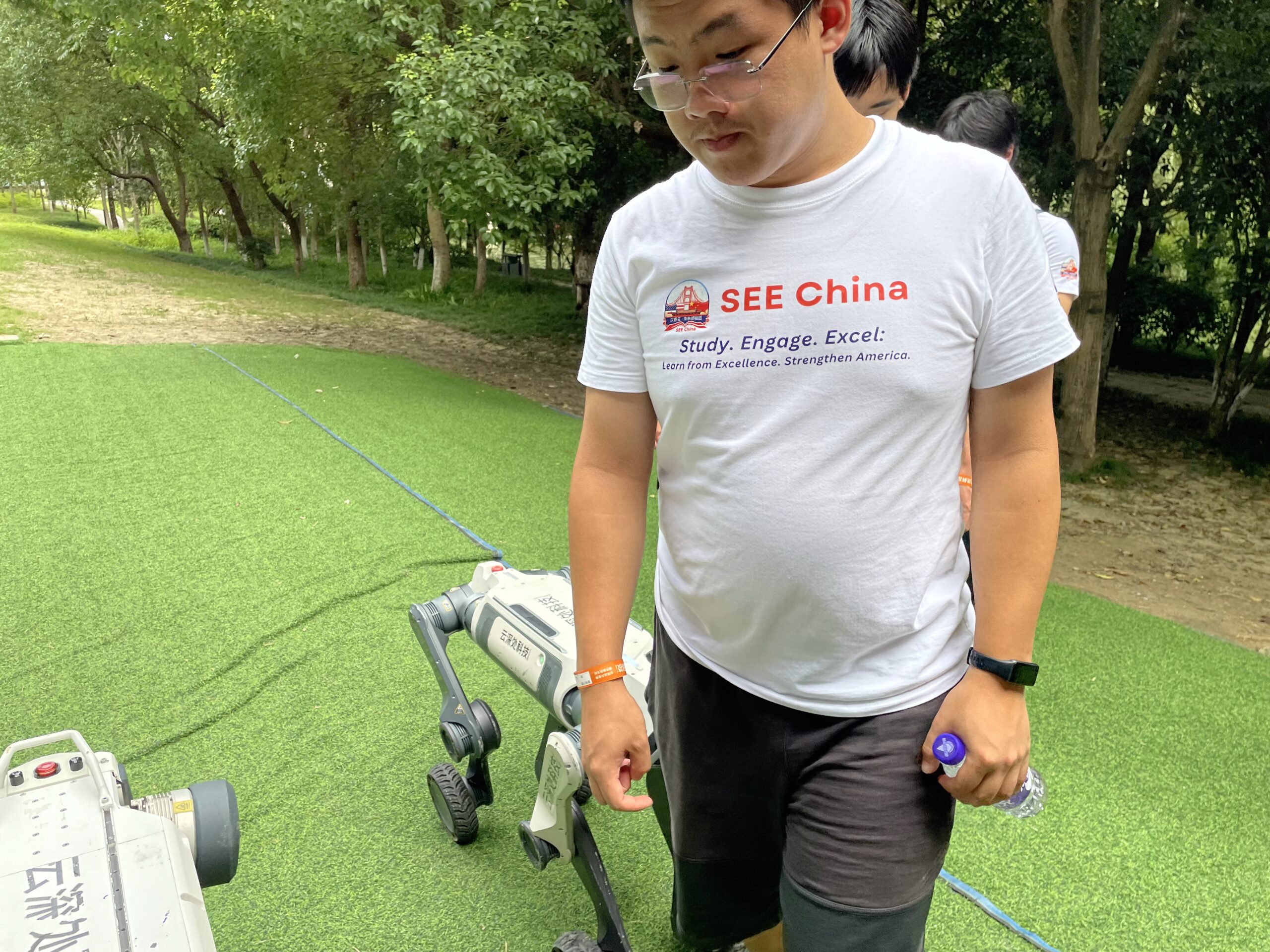
2026 Focus and why SEE China deserves serious consideration
SEE China has already shown clear proof signals in the past two years, including participation from 30+ top U.S. universities, over 50% referral share in the 2025 cohort, measurable knowledge and perception gains, and visible student outputs.
SEE China 2026 brings together two lines of Youth4AM's work. One is AI-SURE, Youth4AM's professional capability foundation, developed since 2019 to help students build stronger judgment and deliver reliable outcomes in real-world contexts. The other is Global Competence | China Track, originally designed to address the modern China knowledge gap and intended for launch in 2020 before being delayed to 2024 by the pandemic. Across programs, Youth4AM has trained 1,000+ students from NYC top high schools and 50+ leading U.S. universities and has been acknowledged by dozens of federal, state, and city officials.
AI did not create either line of work, but it has made both more urgent — and their combination more necessary. Together, they come together in SEE China 2026 as a future-pathways field training program for Global Competence in the AI era.
In 2025, SEE China helped students see AI — to notice how AI was already changing everyday life, industries, and cities. In 2026, SEE China helps students understand how AI forms competitive advantage at the national, industry, and personal levels by observing and comparing China with the United States across five dimensions: national, infrastructure, city, industry, and institution/company.
The goal is not simply to leave students with a stronger impression of China. It is to help them build the Global Competence the AI era increasingly demands — so they can connect both to their own future pathways.
Robotics and Embodied AI
How intelligence moves from software into physical systems and real-world use.
What Students Do and Where They Go
A typical day in SEE China is not organized as passive touring. It is organized as a linked learning-and-training cycle. On a typical day, students may:
- enter a university, company, market, lecture, or infrastructure environment
- observe one part of a larger system in action
- compare what they are seeing with prior cities, prior industries, or the United States
- spend around 2 hours on reflection, teamwork, and required outputs — time made possible in part by program-funded coach bus transportation, which helps preserve work time that would otherwise be lost to large-group logistics
- capture key takeaways that later feed into weekly and final synthesis
At the same time, the program is not only academic. Students also experience the China that makes the program vivid and memorable:
- local food
- city life
- digital payment and shopping systems
- transportation systems
- selected cultural and social experiences
- iconic sites and landmarks
Technology in everyday life — logistics, platform, and user experience in action.
These are not separate from learning. They are part of how students experience how technology, infrastructure, markets, and daily life actually connect. Cultural and social experiences are a meaningful part of the program, but they remain a smaller part of the overall design than the structured academic and training components.
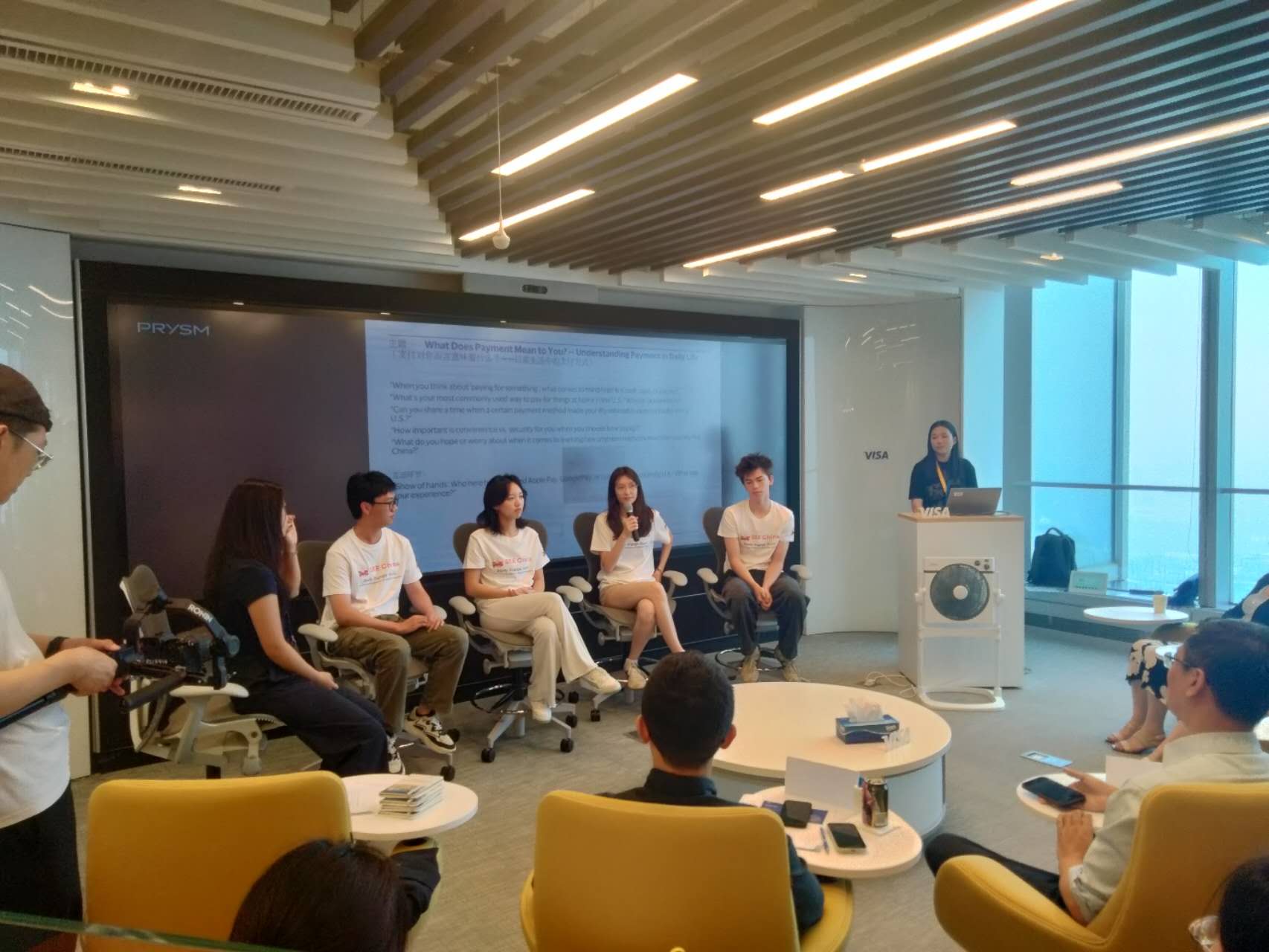
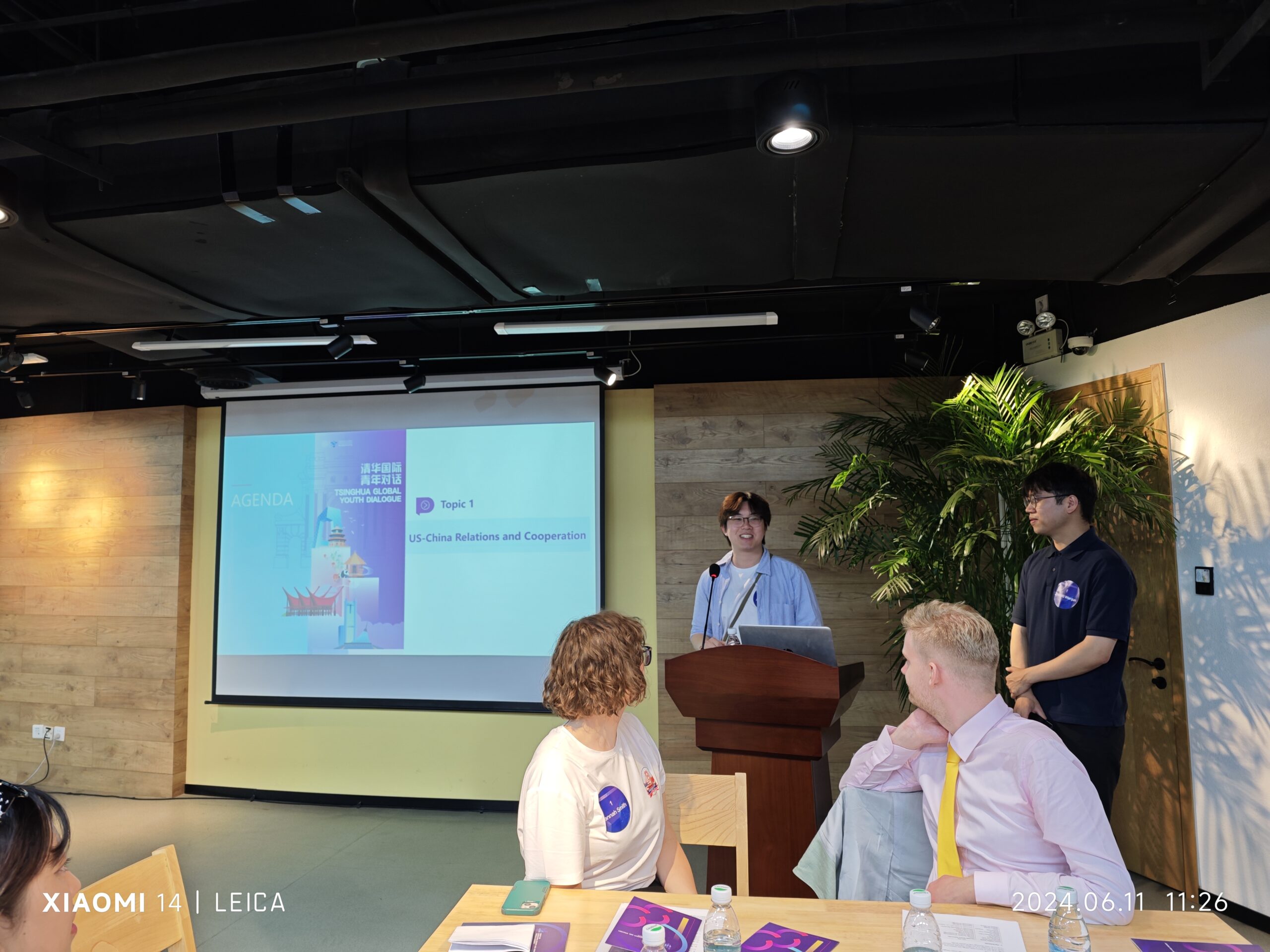
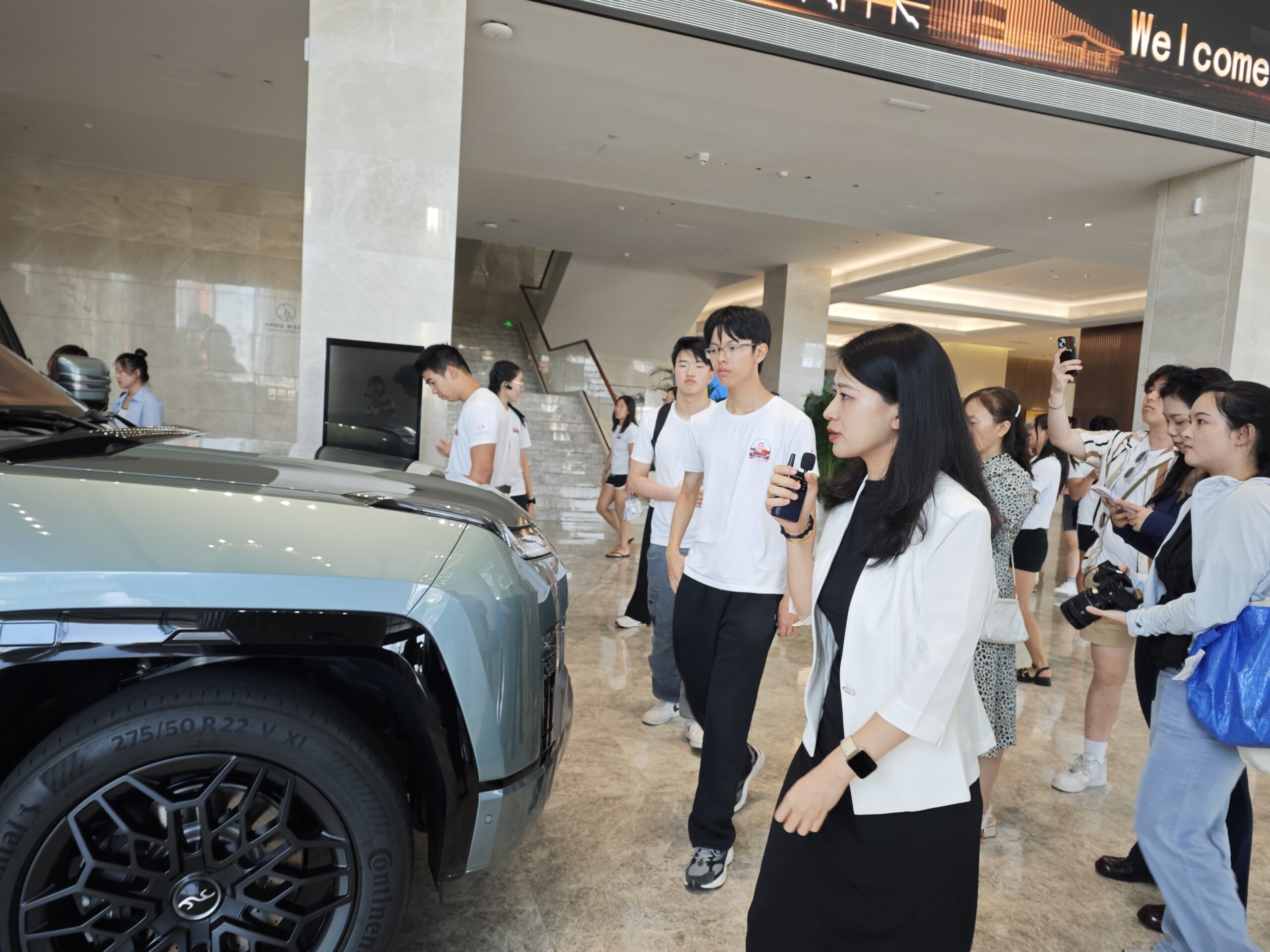
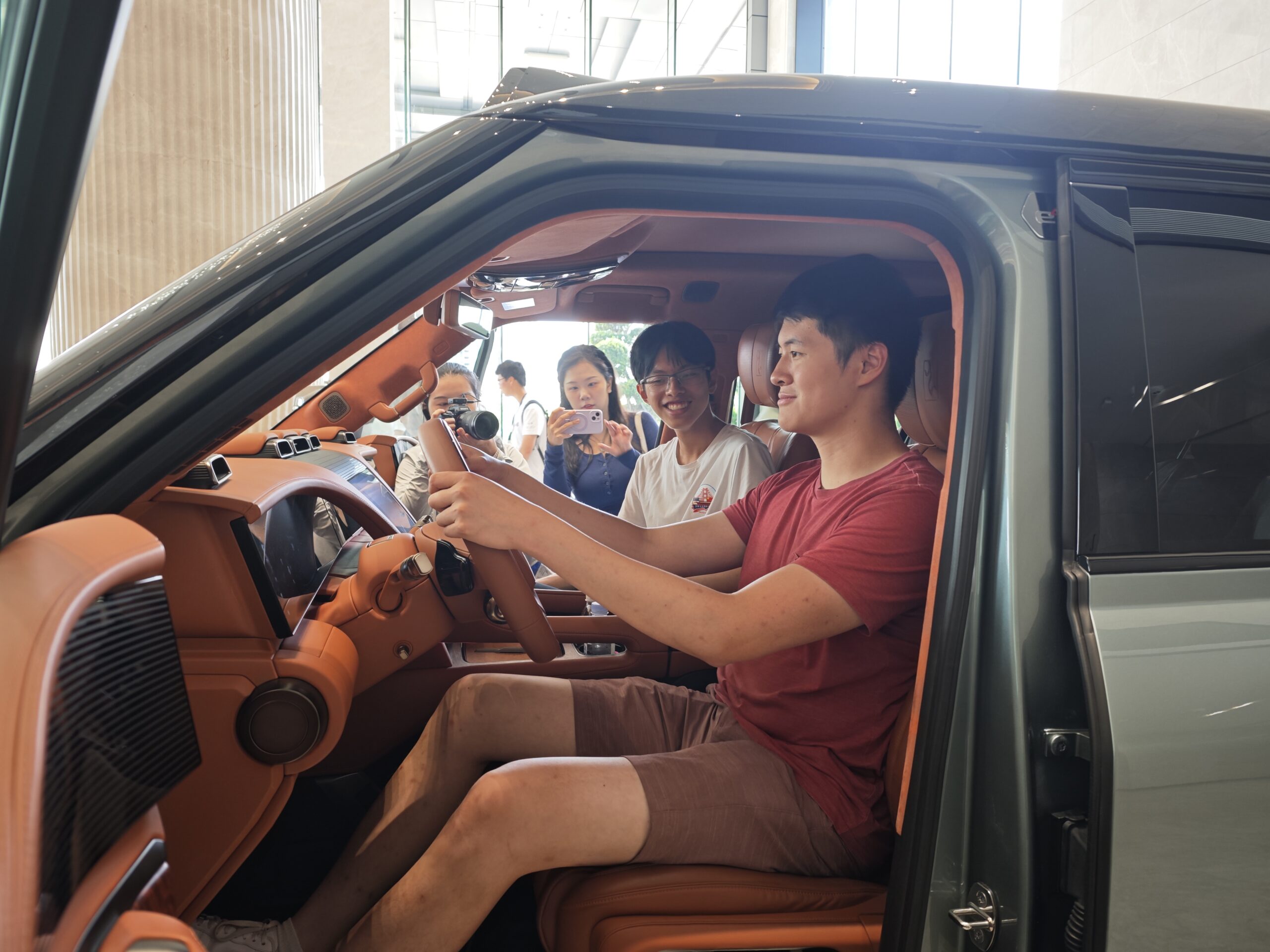
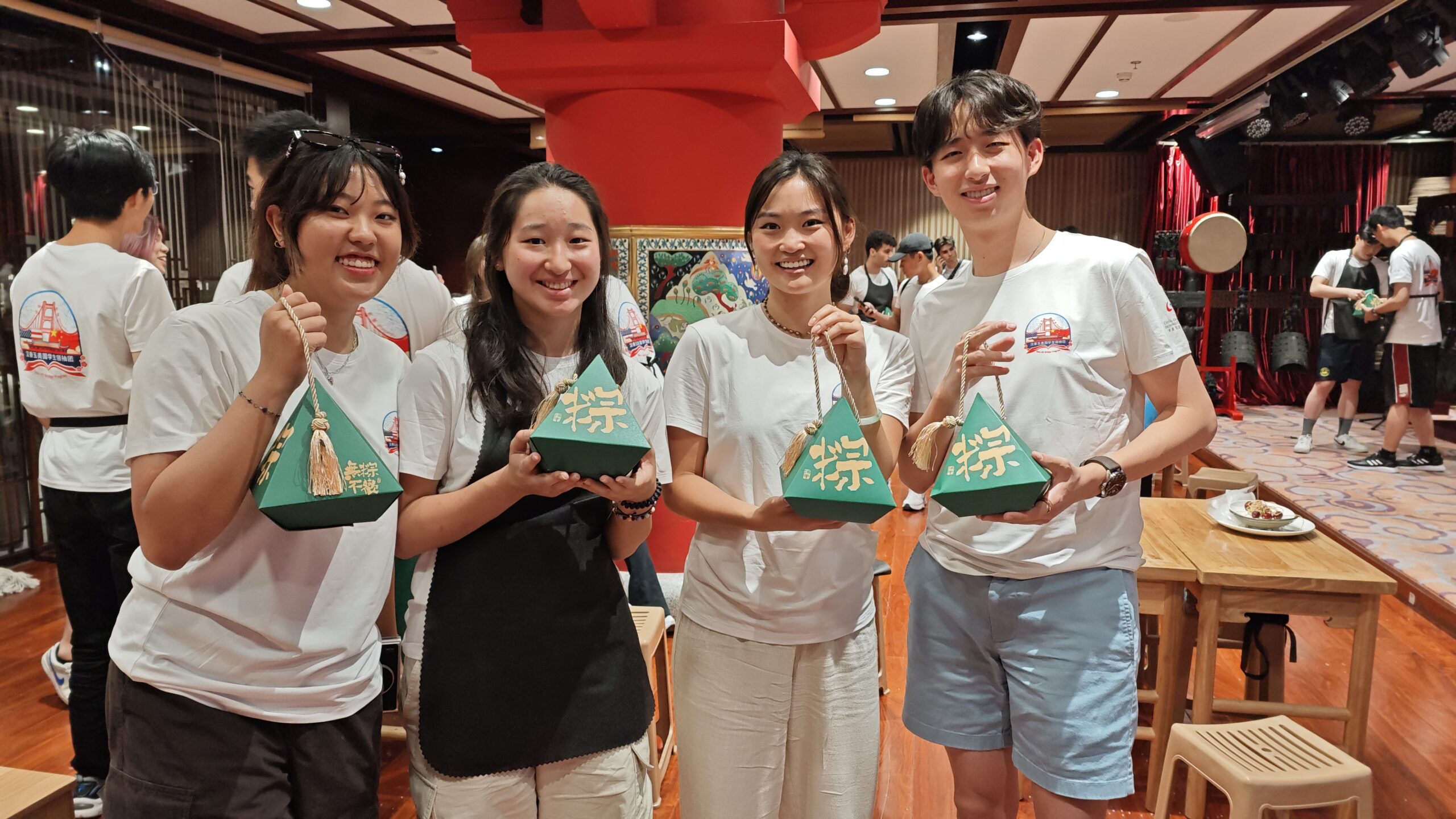

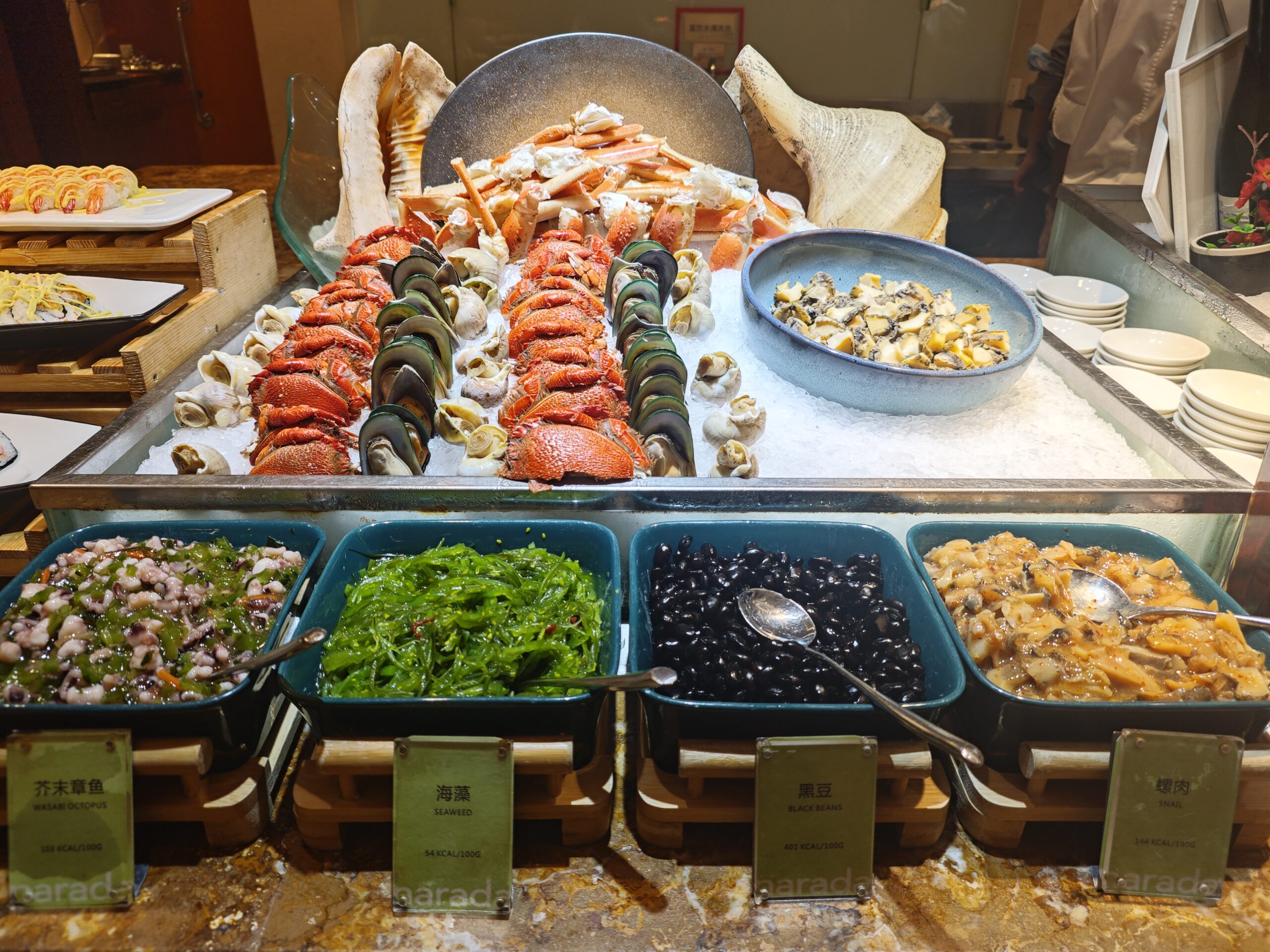
A Typical Day in SEE China
A typical day links real-world observation, system comparison, reflection, teamwork, and selected city-life experience into one learning cycle.
A typical week functions as one coherent learning unit.
Each week usually includes:
- one city or city-cluster as the main system window
- selected university and company exposure aligned with the 2026 theme
- repeated Daily Reflection
- one Weekly Calibration point
- one stronger layer of synthesis than the week before
That weekly rhythm matters because daily experiences, by themselves, can easily remain fragmented. Weekly Calibration helps students move from impression toward pattern recognition, clearer comparison, and stronger articulation.
Over the full program, students move from individual visits and observations toward a more integrated understanding of how national systems, industries, and personal pathways connect.
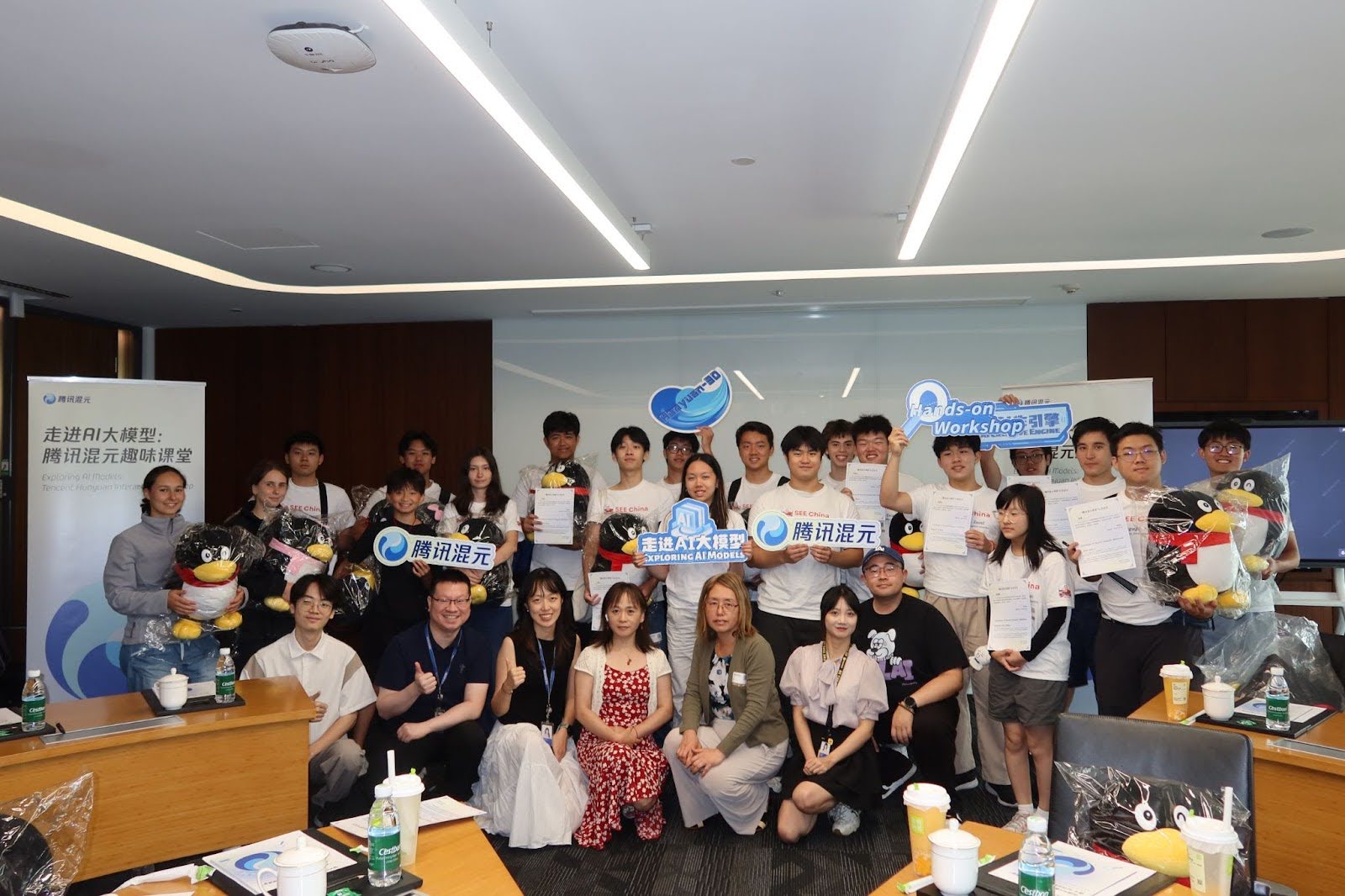
AI Infrastructure and Cloud Systems
How AI capability moves from model power into enterprise and real-world coordination.
Digital Payments, Commerce, and Logistics
How platforms, payments, and fulfillment systems reshape daily life and business.
AI Data Diagnostics
Real-world AI in clinical and healthcare systems.
In practice, SEE China 2026 is expected to include four core first-tier cities — Beijing, Shanghai, Shenzhen, and Hangzhou — together with one additional inland city and one additional specialized operating window. Students are brought into a wide range of real-world environments that support observation, comparison, and analysis. Final city, university, and company selections are still being finalized, but the overall level will remain comparable to the kinds of institutions and companies included across the 2024 and 2025 programs.
To see representative examples from recent years, explore the 2024 and 2025 cities, universities, and company pages.
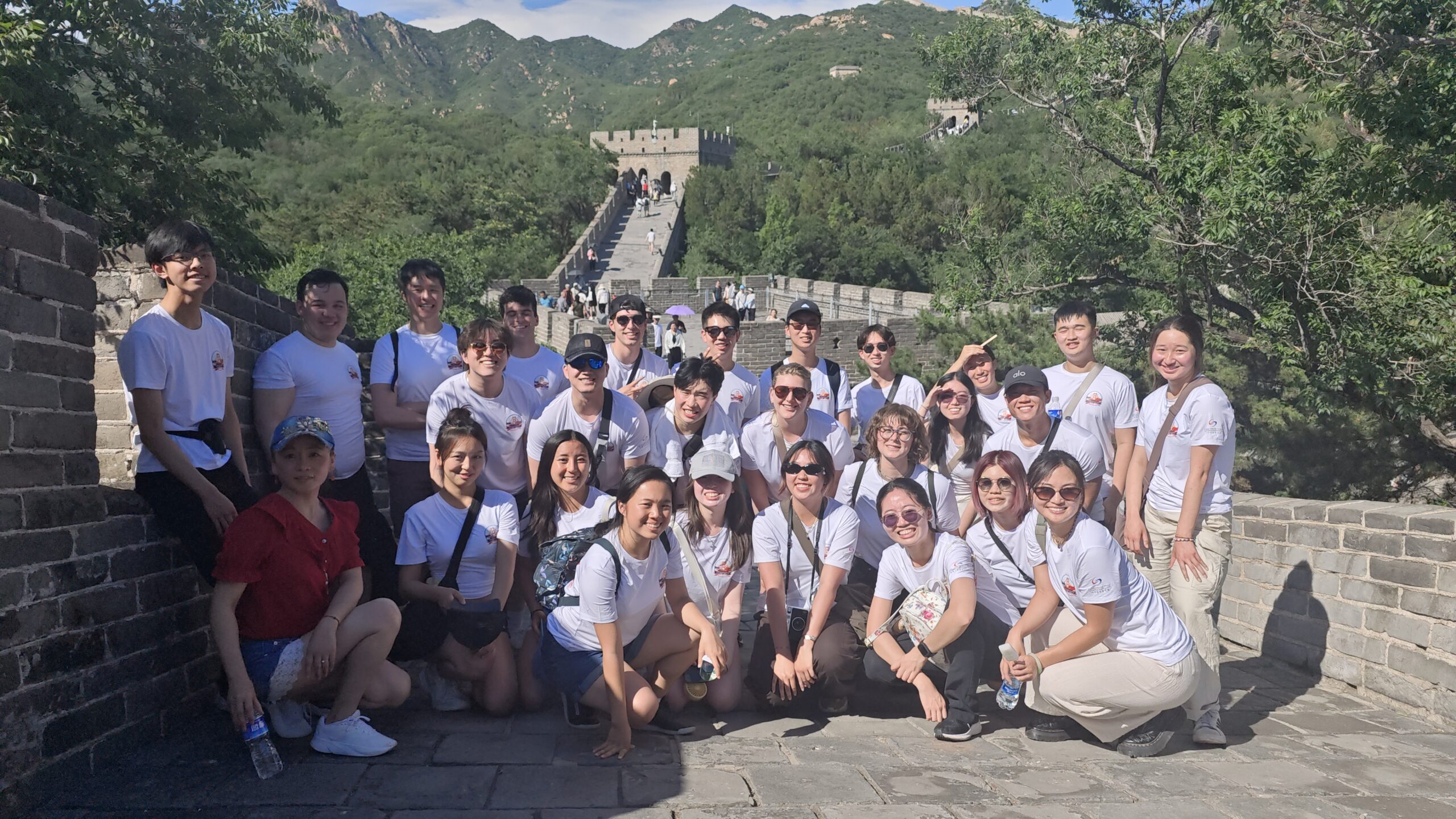
History, institutions, and iconic landmarks — with local food as part of the lived environment.
Global finance, city energy, and urban life.
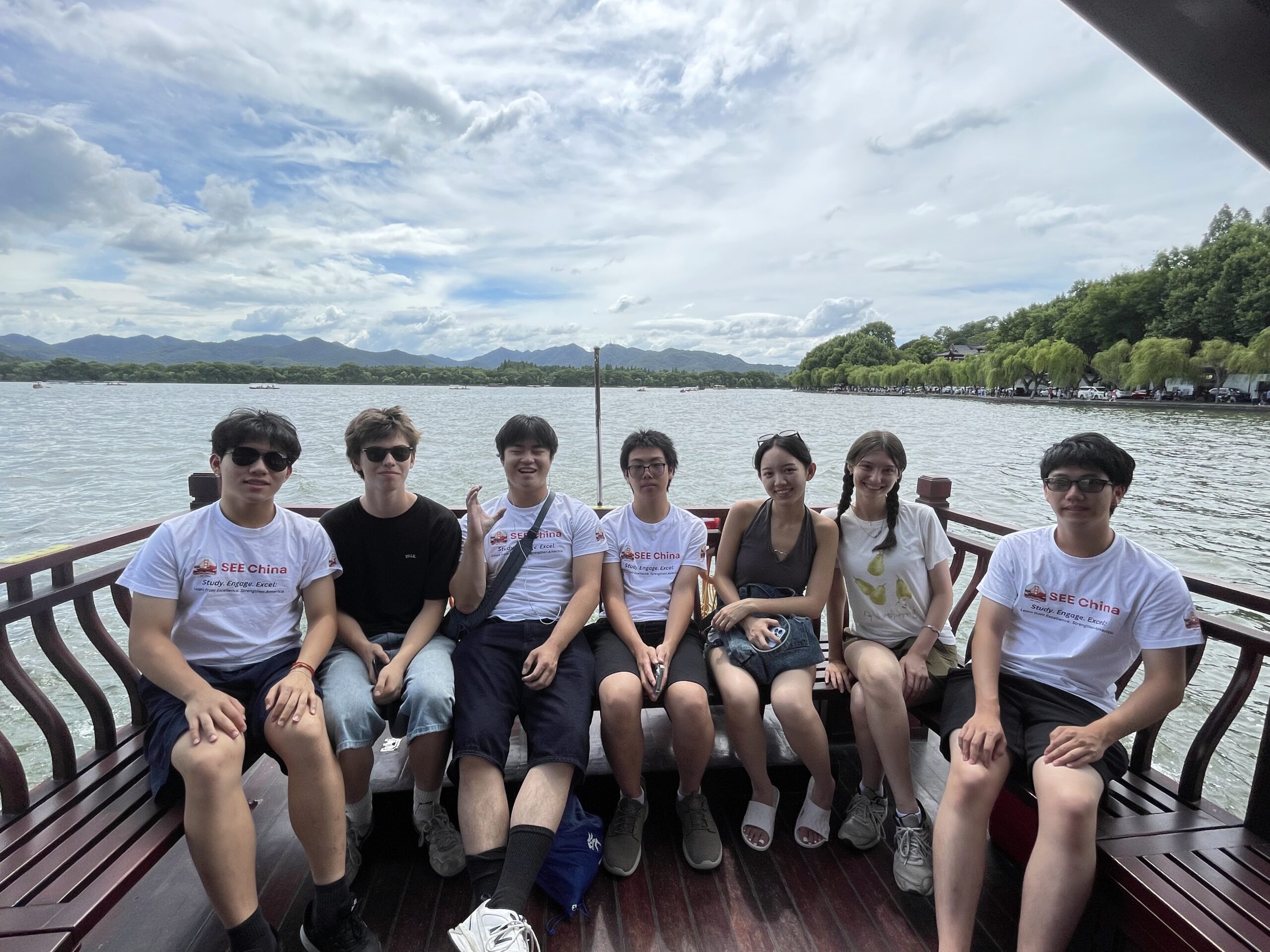
Smart-city context, platform economy, and cultural depth.
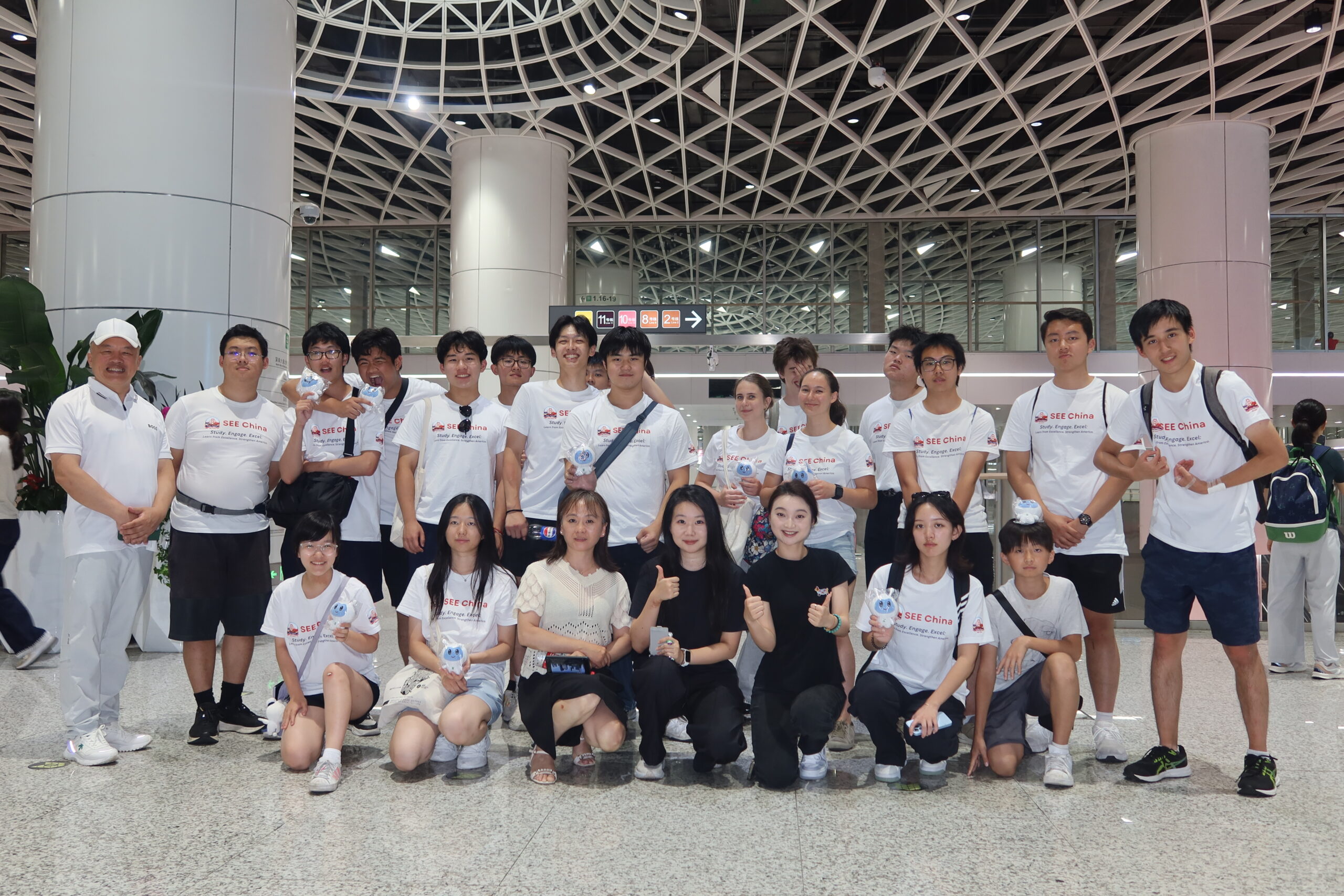
Innovation, speed, and the feel of an emerging future-facing city.
How It Works — Why students need Global Competence now and how SEE China builds it
AI is changing how success works — from Knowledge × Skill toward Judgment × Execution.
AI is changing how competition works — from mainly individual-level competition toward system-based competition.
AI is changing how China matters — from leaders' core curriculum to a strategic advantage for students' future pathways.
Taken together, these three structural shifts help explain why Global Competence is becoming a more practical necessity in the AI era. To American students, Global Competence increasingly requires two things: systemic understanding of modern China as a strategic advantage and the ability to make sound judgments and deliver reliable outcomes across national systems.
Most schools teach neither well. Read More
SEE China trains both. Read More
Families can already feel that AI is changing the white-collar job landscape — across more roles, at greater depth, and at unprecedented speed. These changes are unfolding on a month-by-month basis, leaving students and families little time to respond.
In its January 2026 update, Cognizant — a major U.S.-based technology services company in the Fortune 500 and NASDAQ-100 — concluded that AI's impact on jobs is unfolding faster and more broadly than it projected three years ago, and estimated that AI may now affect as much as 93% of jobs.
For high school students and college students, the situation is especially urgent. AI's impact is not just coming. It is already here. In March 2026, Anthropic reported that among workers aged 22–25, the job-finding rate into high-AI-exposure occupations was 14% lower than in 2022, suggesting early hiring pressure on younger entry-level workers. The New York Fed also reported that by late 2025, unemployment among recent college graduates had risen to about 5.7%, while underemployment reached 42.5%.
Yet simply changing majors, which is still a knowledge-level adjustment, may not be a deep enough response. What the AI era increasingly requires is no longer only what students know, but the ability to make sound judgments and deliver reliable outcomes in real-world contexts.
SEE China is responding to these AI structural shifts through a more systematic learning and training design. It helps students build better understanding of modern China, stronger judgment for a more system-based world, and the ability to turn real-world exposure into reliable outcomes.
What makes SEE China especially meaningful is that it builds two requirements together: better understanding of modern China as a strategic knowledge advantage, and the ability the AI era demands — the ability to make sound judgments and deliver reliable outcomes across national systems. China also serves two roles at once in this design. It is not only something students need to understand better; it is also a high-complexity real-world training ground through which they can build the capability the AI era increasingly demands. In that sense, SEE China is a more complete response to what the AI era increasingly demands.
Many families are first impressed by SEE China's top-tier access to leading cities, companies, and universities across China. While that exposure is real and valuable, it is the entry point, not the main value. The greater value of SEE China lies in the systematic way students are taught to understand modern China.
As China becomes more system-relevant, the way students learn China must also become more systematic. It can no longer rely mainly on fragmented impressions or informal exposure. Our China Knowledge Assessment Report helped confirm that family background, cultural ties, language proficiency, or prior exposure do not by themselves produce strong or well-rounded understanding of modern China. In practice, much of what students know still comes unevenly from parents, fragmented exposure, or social media, none of which reliably provides systematic understanding.
That is why these field experiences are intentionally organized through Youth4AM's independently developed Modern China system, so they function not as stand-alone travel highlights, but as part of a larger learning design. Students are trained to observe and compare China with the United States across five dimensions:
| Dimension | What Students Learn to See |
|---|---|
| National | How U.S.–China differences shape industrial competition and opportunity formation |
| Infrastructure | How infrastructure, logistics, payment, transportation, talent, and operating systems shape competitive capacity |
| City | How different cities reveal regional specialization, smart-city development, and differentiated economic roles |
| Industry | How sectors such as AI, robotics, smart manufacturing, healthcare, mobility, and digital commerce are evolving |
| Institution / Company | How universities, companies, markets, and talent pipelines make those patterns concrete |
In the AI era, the real difference is not who has access to more information, but who can make stronger judgments in a complex world. Untrained judgment often reacts to the most visible signal, focuses on isolated points rather than underlying structure, sees the present without enough time perspective, and misses how factors interact through competition, cooperation, constraint, or transmission effects. The result is often fragmented judgment.
That kind of judgment is poorly matched to the real world, where information is overwhelming, relationships are complex, and conditions change quickly. Most schools do not systematically train this. That is the gap. SEE China trains something different: Structured Judgment. It helps students place scattered signals inside a larger system, identify key variables, understand how those variables relate to one another, and judge how those relationships may change over time.
The AI-era capability also requires the ability to deliver reliable outcomes. Exposure does not become capability — or reliable outcomes — by itself. To reduce that gap, SEE China includes Youth4AM's capability formation loop so that strong experiences do not remain fragmented impressions. That training loop includes:
- organize what they are seeing
- compare systems more clearly
- extract patterns from complexity
- communicate more intelligently
- build stronger judgment for future decisions
Student Gains
Students in SEE China do not simply attend visits and lectures. They produce structured outputs that make their learning visible and can later support college applications, interviews, and future academic or professional work.
Through this work, students begin developing three things at once:
- better understanding of modern China
- stronger structured judgment
- stronger ability to turn real-world exposure into reliable outcomes
They also begin gaining something many families care about directly: clearer ways to think about majors, internships, and future pathways.
See testimonials for examples of how students gained clearer direction for majors, internships, and career paths.
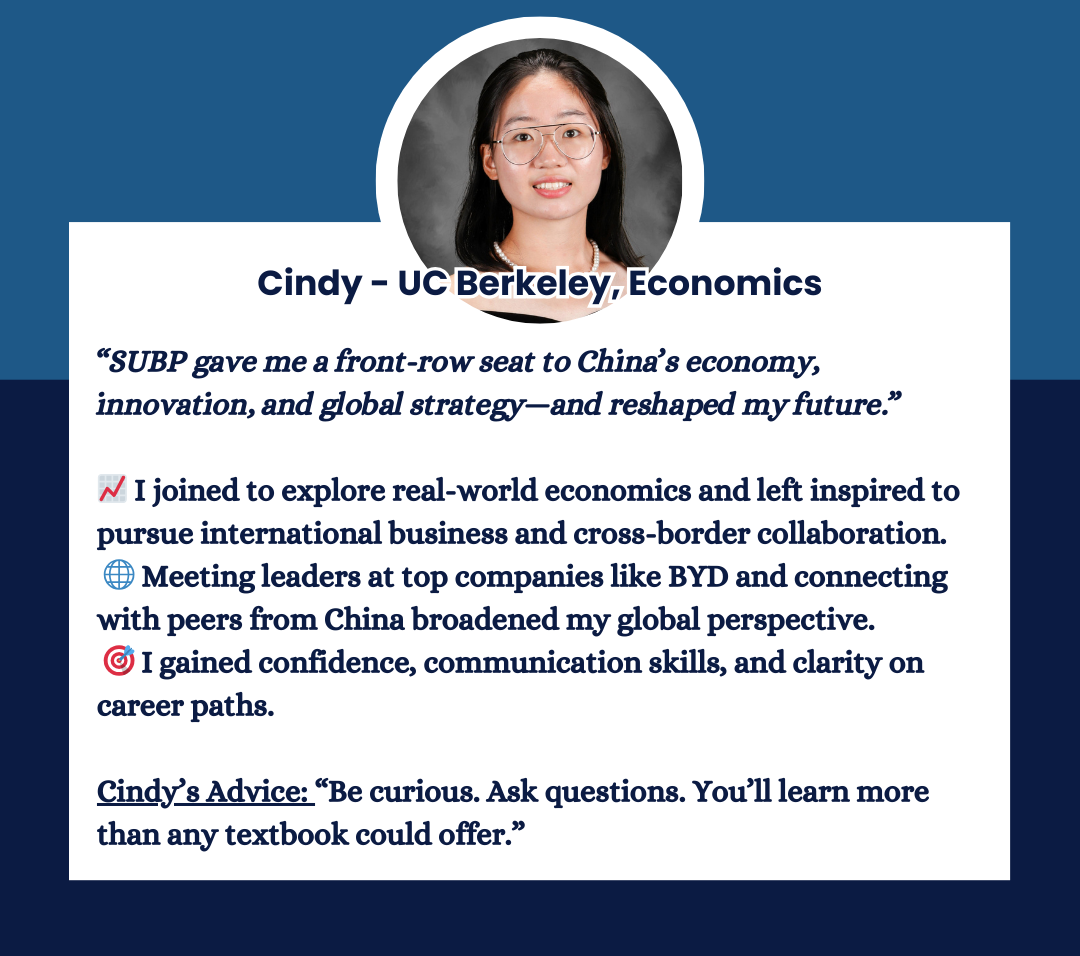
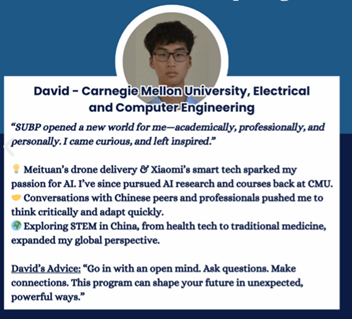
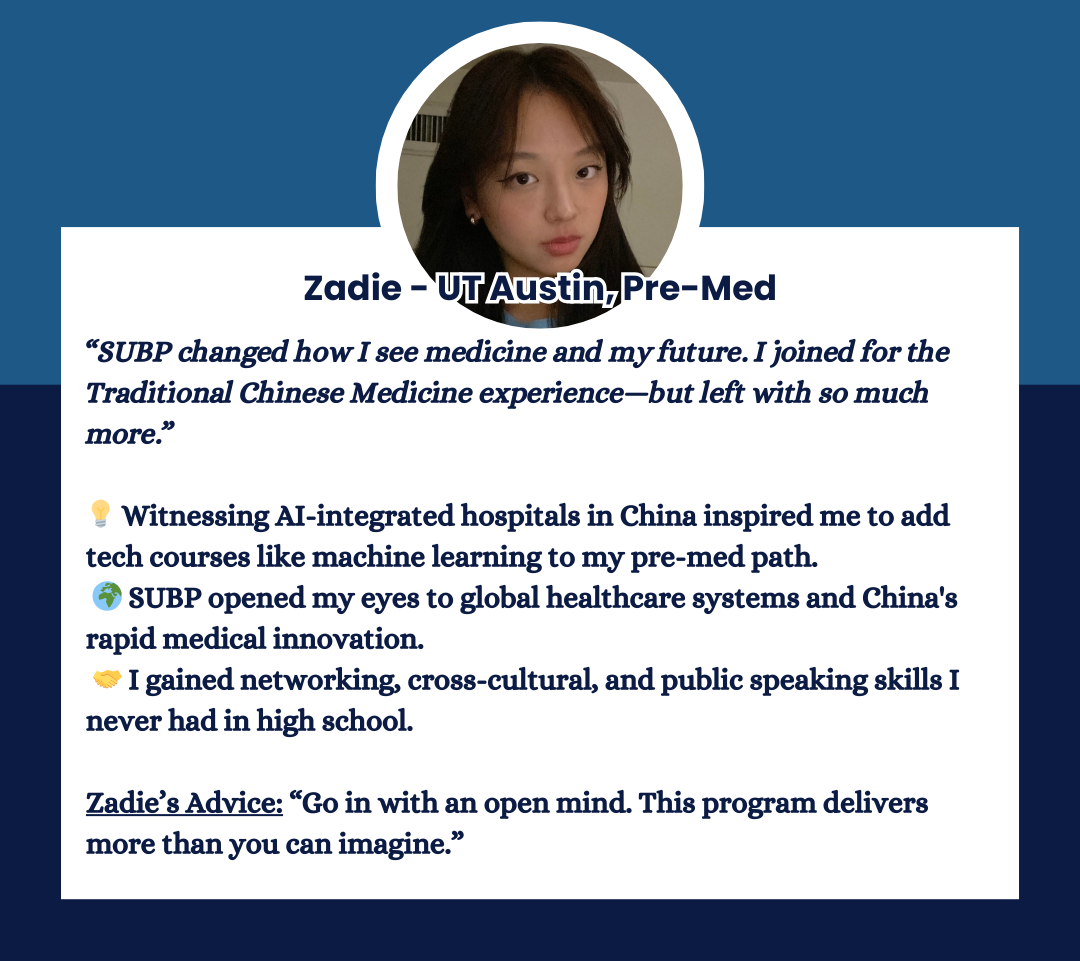
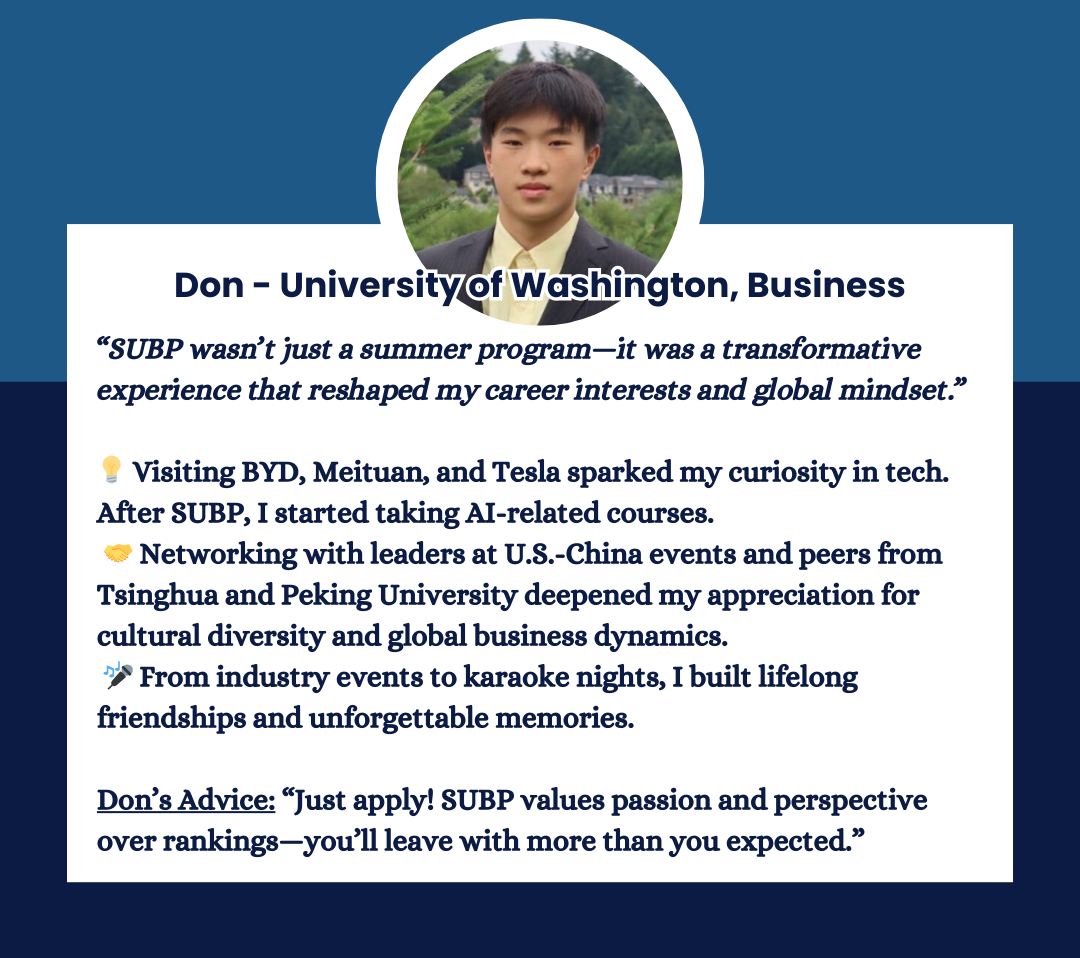
These deliverables are different from ordinary school assignments in three ways:
- they are grounded in real system exposure
- they are comparative and cross-system
- they require accountable execution under real deadlines and constraints
For families, this offers visible proof that the program is not only enriching, but formative.
Students may not leave with one final answer in 30 days. But they can leave with something more valuable and more transferable: a stronger way to interpret complex systems, judge direction more intelligently, and apply that method again in other high-uncertainty situations.
Students who satisfactorily complete the program receive formal documentation of completion. Depending on final 2026 arrangements, eligible students may also receive a formal certificate with signatures from recognized supporting officials. Additional supporting documentation may also be available where appropriate.
For more examples of presentations, analyses, and final deliverables, see the Student Works page.
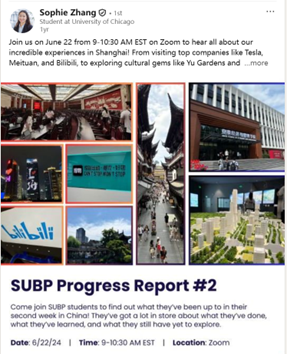
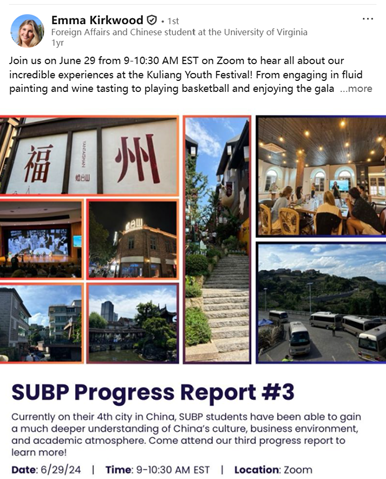
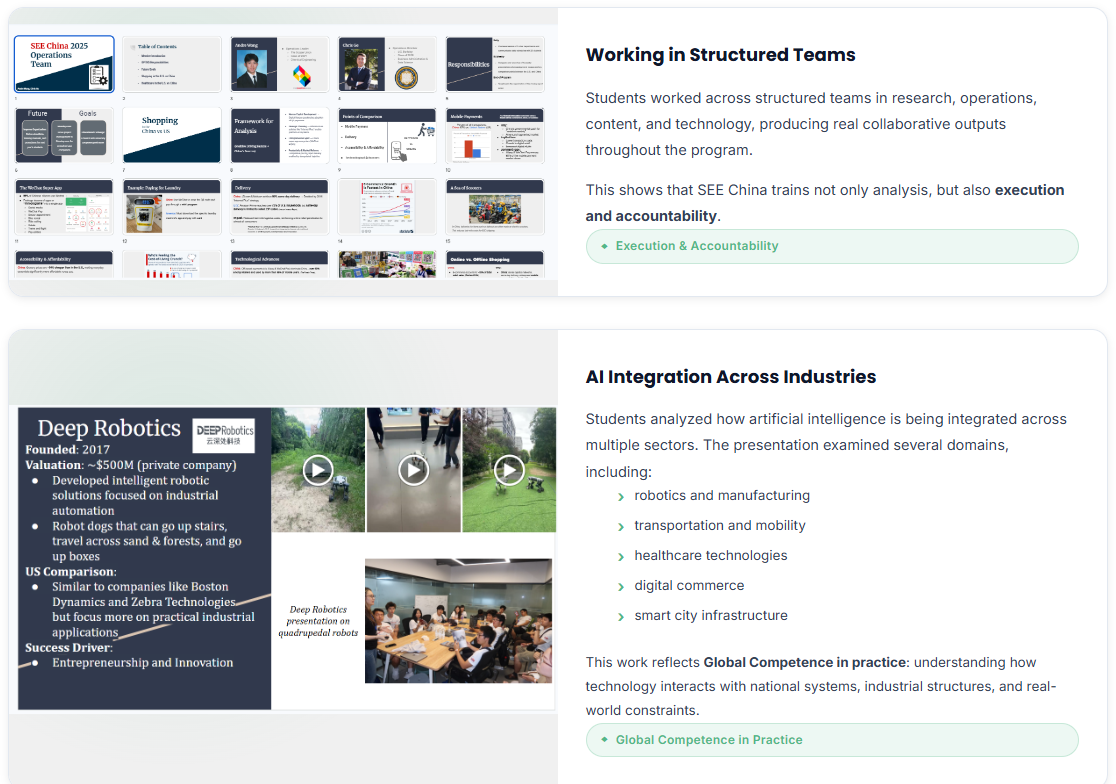
Students do not just observe systems. They produce real analytical outputs that can later support college applications, interviews, and future academic work.
For Families — Who the program is for, how families fit in, and what additional opportunities may exist
SEE China is designed for high school and college students from all backgrounds who want to:
- build clearer direction for majors and future careers
- better understand how AI is reshaping industries, systems, and opportunity formation
- build better understanding of modern China and how it may become a strategic advantage in future pathways
- strengthen college applications through real analysis and visible outputs
- work seriously in teams and contribute to reflections, presentations, and final outputs
Applicants should generally:
- be 16 or older by June 27, 2026
- be U.S. citizens or permanent residents
- demonstrate strong academic readiness
- show genuine interest in China's technology, industries, and culture
- be able to work effectively in team-based and cross-cultural settings
- demonstrate integrity, accountability, and commitment to program requirements
- provide at least one recommendation
Students do not need to already understand China or speak Chinese.
Students from many backgrounds can be a strong fit. Past cohorts have included students interested in:
- computer science and AI
- engineering and robotics
- business and entrepreneurship
- life sciences and healthcare
- public policy and international affairs
The three shifts SEE China addresses are structural, fast-moving, and still not matched by any widely accepted response. For students at this age, the greatest challenge is often not intelligence, but limited real-life and professional experience.
Parents can add value here because they are trusted by their children and often have more life and work experience for making sense of direction, tradeoffs, and long-term choices. Based on our experience with previous cohorts, stronger parent understanding of the program's value and logic helps students gain more from the program and continue building on it after the program ends.
That is why the 2026 program includes an optional parent participation add-on. It is designed to strengthen student gain, not to change or dilute the core student training experience. For more details, please attend an Information Session.
SEE China is not only a 30-day field training experience. For some students, it can also open a longer pathway of work, outputs, and opportunity.
Internship and project-based opportunities
Through SEE China, selected students may also have access to additional opportunities connected to Youth4AM's broader educational mission, such as research, marketing, communications, or other project-based internship work before, during, or after the program. Some roles may be unpaid or minimally paid.
Supporting documentation and school-based funding applications
As a 501(c)(3) nonprofit educational organization, Youth4AM may, where appropriate, provide supporting documentation describing supervision, responsibilities, and completion for eligible academic, internship, or school-based summer opportunity applications. In past years, some students have successfully used university-managed funding to support related summer opportunities connected to nonprofit educational work. Because policies vary by institution, students should always confirm eligibility directly with their own school.
For eligible NYC residents
Youth4AM has served as an SYEP worksite since 2020. Eligible NYC students may also be able to work remotely on SEE China through the Summer Youth Employment Program (SYEP), where applicable. NYC's 2026 SYEP older-youth FAQ lists pay at $17.00 per hour, with placements at 25 hours per week for six weeks. Participation remains subject to SYEP eligibility, application, selection, and final placement arrangements.
More details can be shared during the Information Session.
Program Cost
This reflects the full value of the 30-day program, including curriculum and training design, close academic and field supervision, real-time feedback and calibration, staffing and program operations, as well as the core logistics required to run the experience across China.
Admitted students receive $4,000 in nonprofit program support from Youth4AM, reducing the Program Fee from the full program value of $8,950 to $4,950.
This reward is designed to encourage full participation throughout the program. It is awarded once a student meets the program's basic participation expectations, such as active participation and assignment completion. It is not performance-based.
There is no cap on the number of students who may receive it. If all students meet the basic participation expectations, all students may receive the reward. These expectations are clearly defined in advance and evaluated through objective, record-based measures.
What's Included
- 4-session online Pre-trip Training & Orientation
- structured academic and project guidance throughout the program
- Daily Reflection, Weekly Calibration, and Final Presentation support
- Pre/Post Assessment
- team-based project supervision and feedback
- admission fees for all program-organized cultural and professional visits in China
- local host, logistics, and project support in each city
- strong adult supervision and on-the-ground coordination throughout the program. Based on recent cohorts, SEE China has typically operated at around a 1:5 adult-to-student supervision and staffing ratio. While final staffing may vary by cohort, the program is designed to maintain close supervision, feedback, and student support throughout.
- five sets of official program uniforms
- lodging in China, typically in strong-quality hotels (generally 4-star level)
- meals during the program
- local transportation and field coordination
- intercity transportation across the program's 6-city design, including coach bus transportation, high-speed rail, and domestic flights as needed
- international travel insurance coverage during the in-China portion of the program
What's Not Included
- international airfare
- personal expenses
- optional visa-agent services
- lost or damaged personal belongings
- costs related to non-program activities
How to Apply — Key dates and next steps for families who want to move forward
Early application is strongly encouraged. Cohort size is limited, and the reduced founding-cohort program fee rate is available only to a small number of admitted students.
Admitted students who wish to join the 2026 cohort must confirm their place by submitting the required $1,000 non-refundable acceptance deposit. Full enrollment terms and additional program policies will be provided upon admission.

