Student Work
Real Deliverables Demonstrating Global Competence
SEE China is not a tour and not a classroom extension. It is a 30-day structured future pathways field training program for Global Competence in the AI era — the ability to understand complex systems, make sound judgments, and deliver reliable outcomes across systems.
Through structured training across China's leading cities, universities, industries, and innovation systems, students learn how to turn observation into judgment and judgment into accountable output.
The work they produce is visible evidence of abilities that increasingly matter for college applications, major and career direction, and long-term competitiveness in the AI era.
At Youth4AM, we call this capability Structured Judgment × Reliable Execution. Applied across national systems, it becomes Global Competence.
China is not the endpoint. It is both the training field and a strategic knowledge advantage. Global Competence is the measurable outcome.
What Students Produce
Students in SEE China do not simply attend visits and lectures. They produce structured deliverables based on real observation, analysis, and collaboration.
These deliverables may include:
The goal is not only to learn more information, but to develop the ability to analyze complexity, compare systems, and communicate insights through real work.
Examples of Student Work in Action
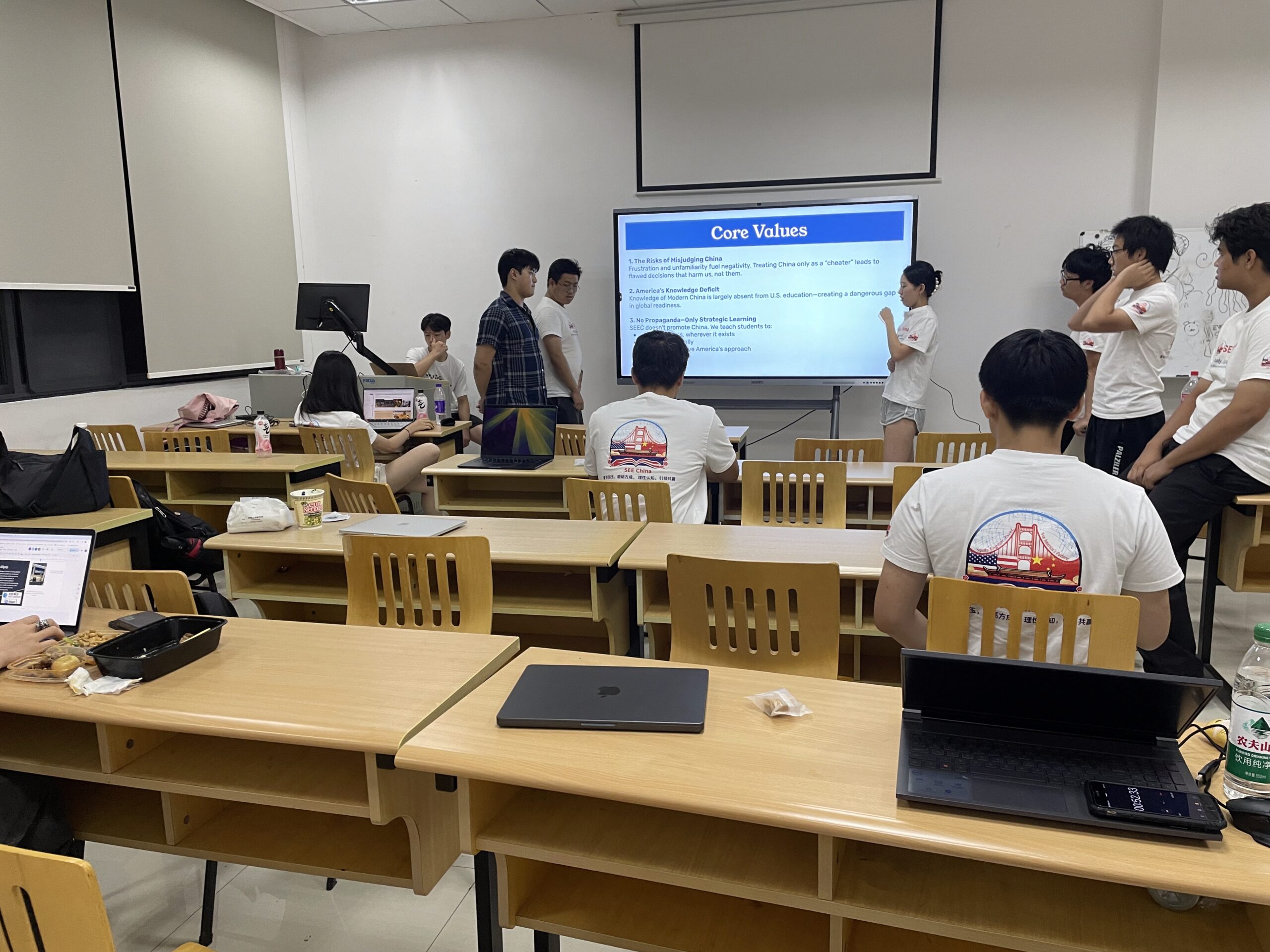
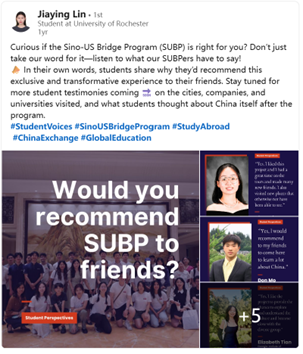
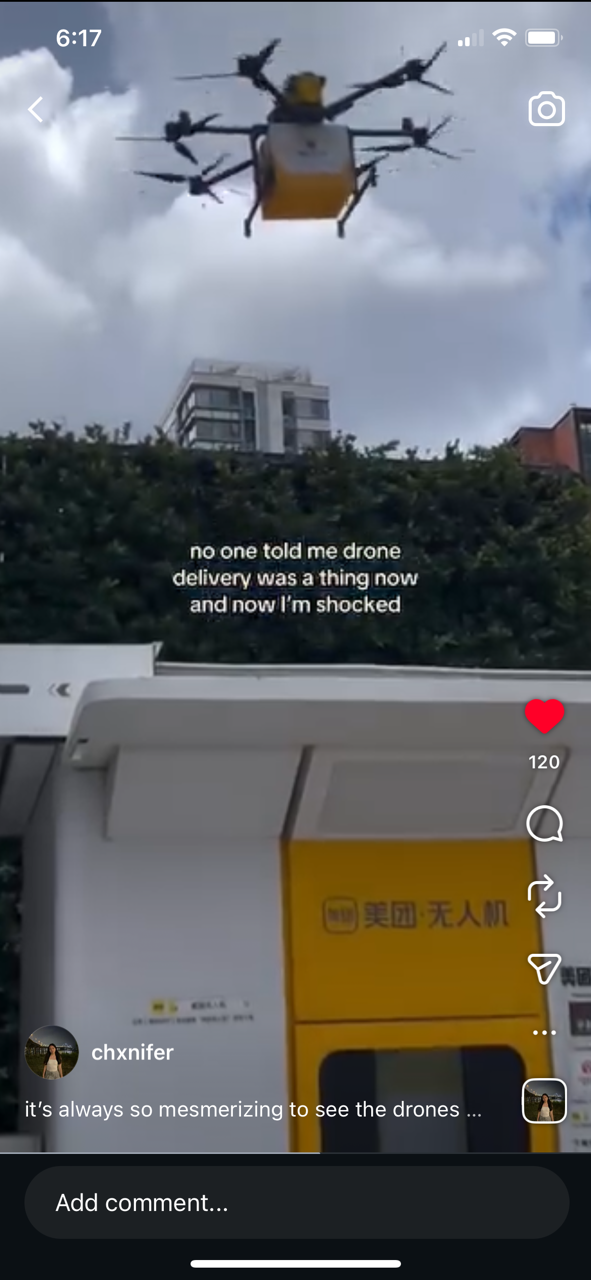
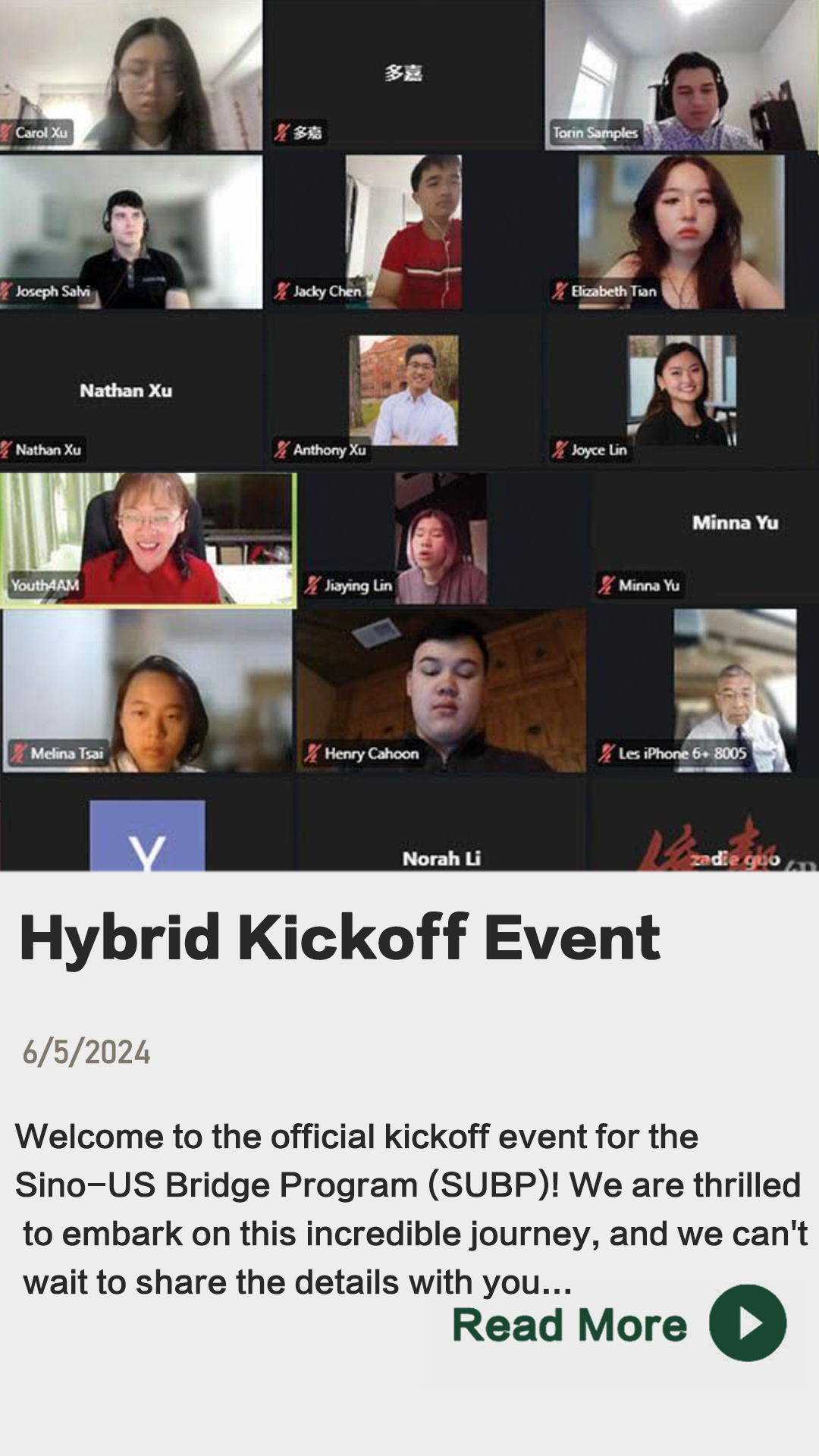
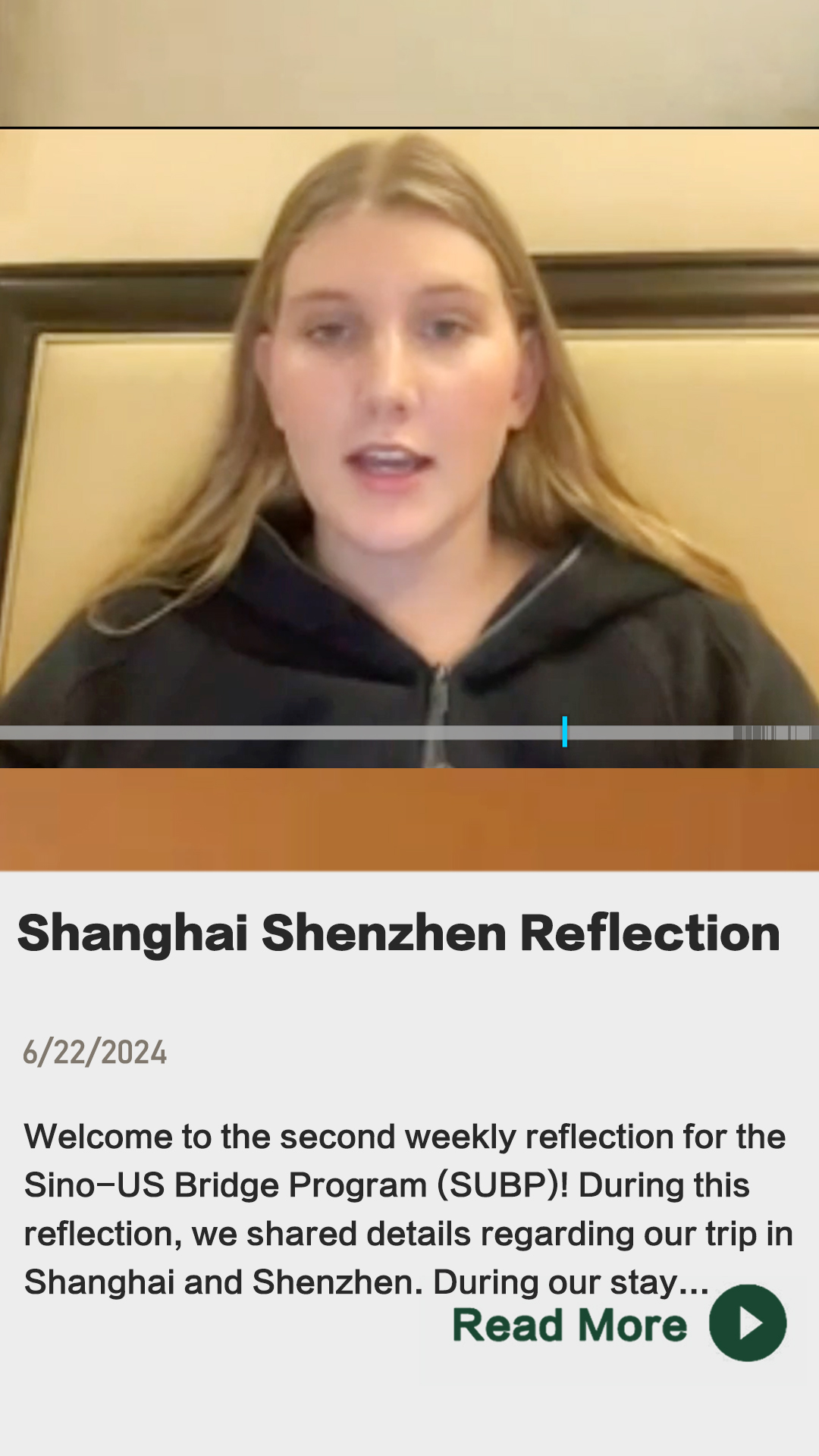
The following examples are drawn directly from student presentations produced during the SEE China program. They illustrate how students not only acquire knowledge, but form capability.
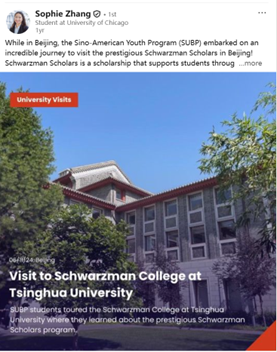
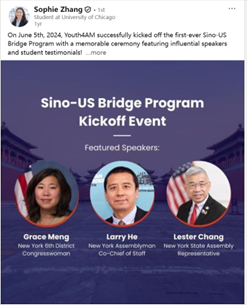
Daily Reflection & Social Media Examples
Weekly Zoom Sharing Examples


Final Presentation Examples
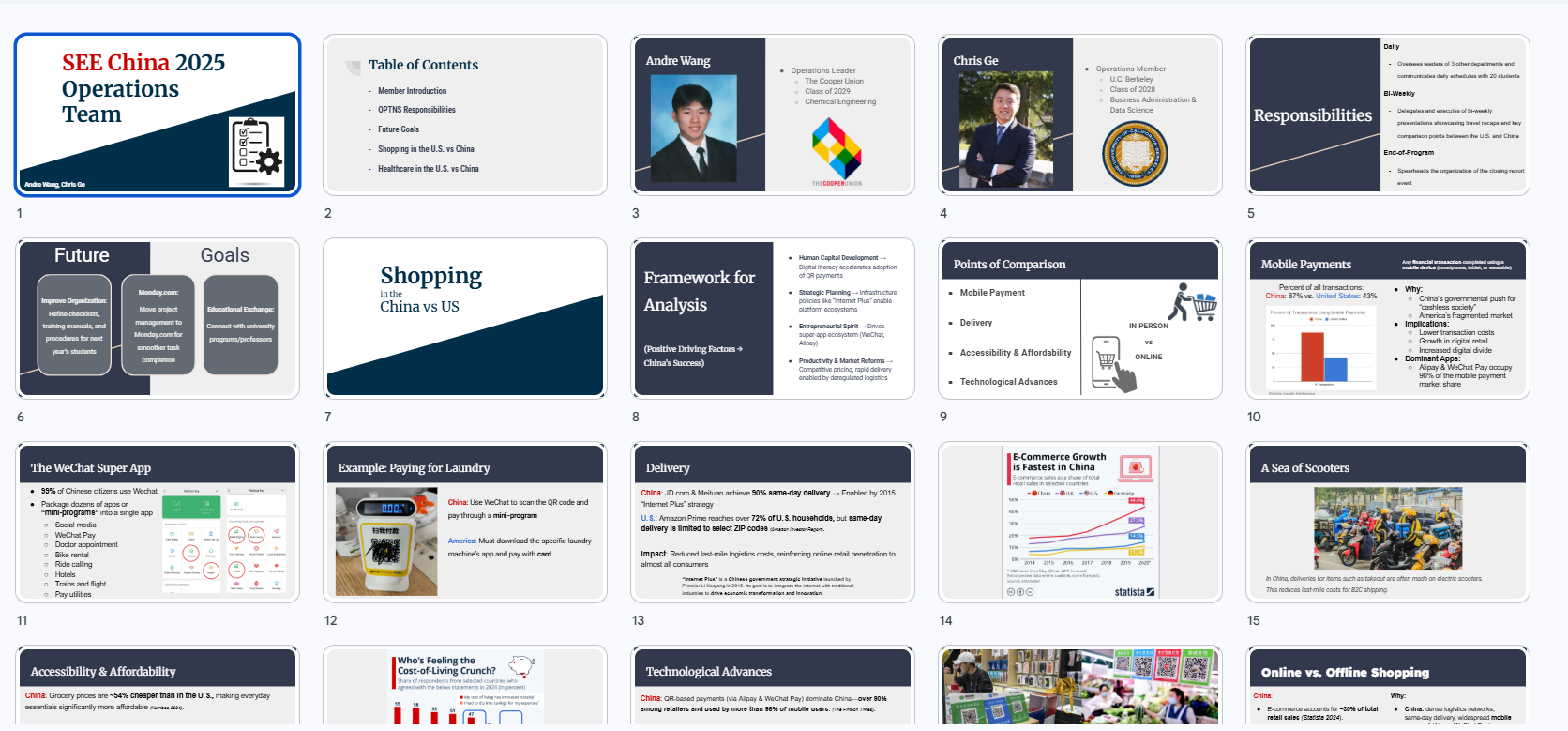
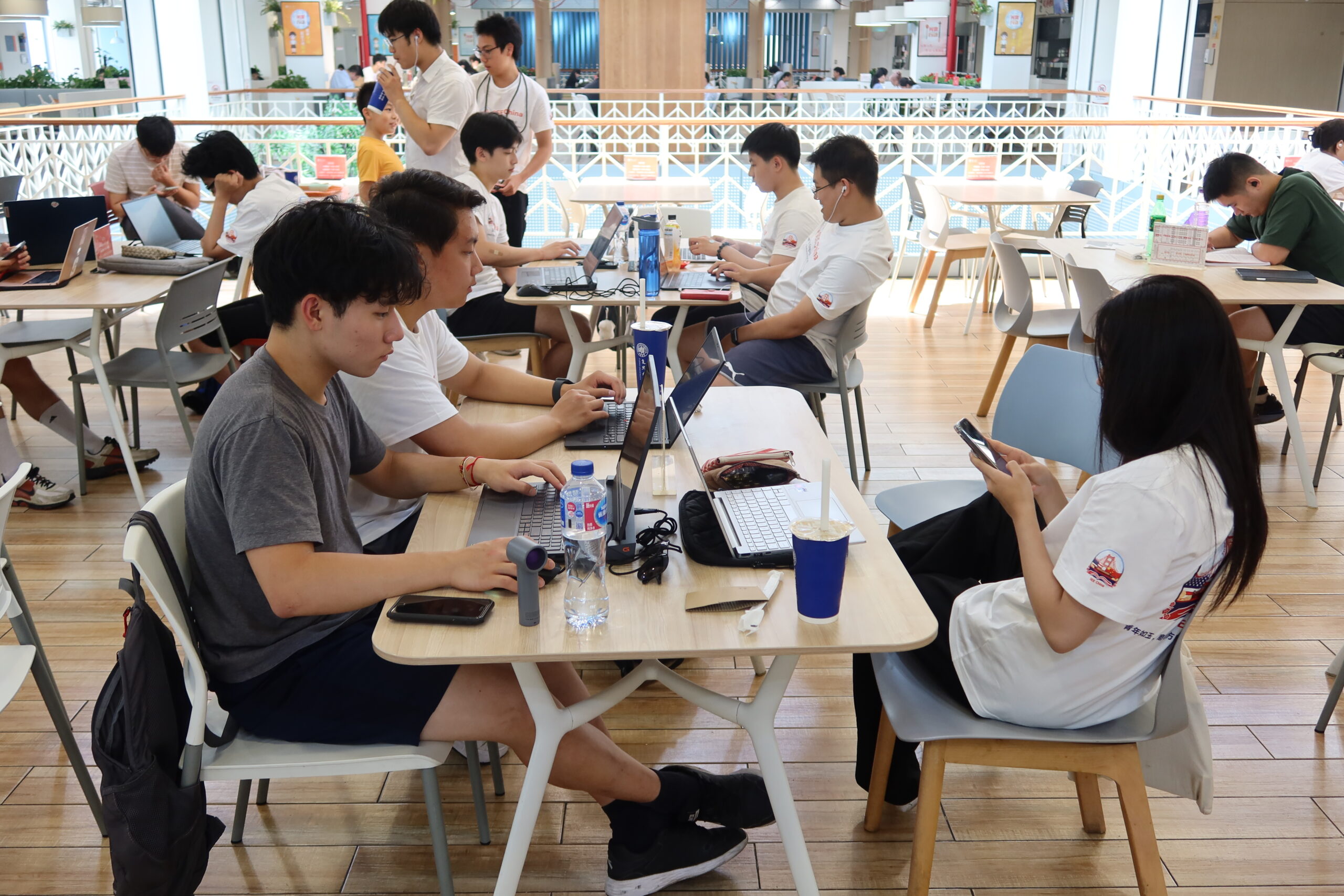
Working in Structured Teams
Students worked across structured teams in research, operations, content, and technology, producing real collaborative outputs throughout the program.
This shows that SEE China trains not only analysis, but also execution and accountability.
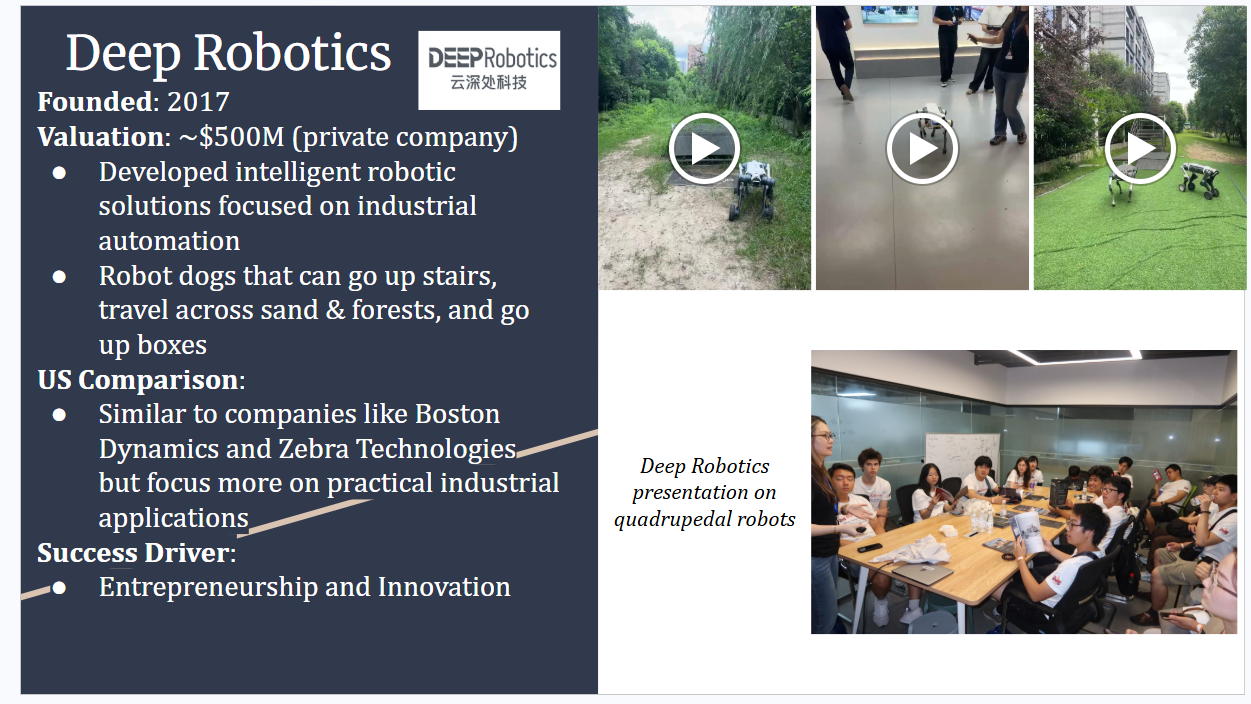
AI Integration Across Industries
Students analyzed how artificial intelligence is being integrated across multiple sectors. The presentation examined several domains, including:
- robotics and manufacturing
- transportation and mobility
- healthcare technologies
- digital commerce
- smart city infrastructure
This work reflects Global Competence in practice: understanding how technology interacts with national systems, industrial structures, and real-world constraints.
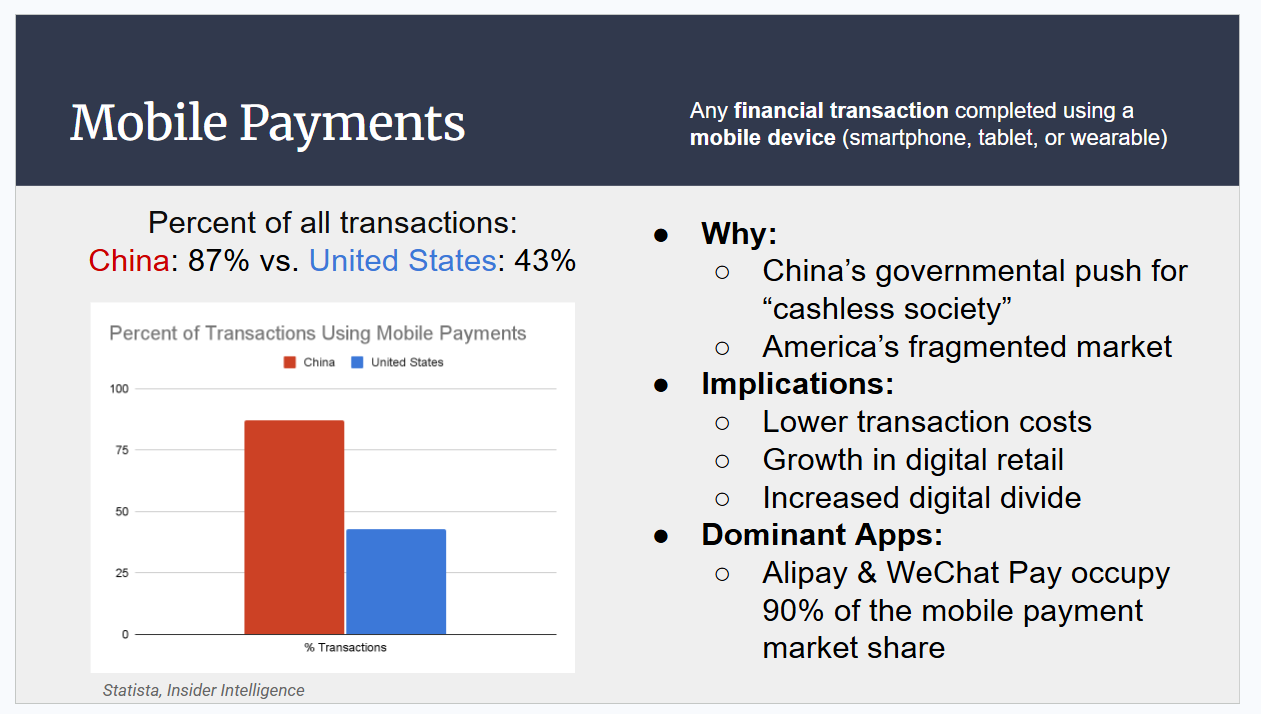
Comparing Digital Commerce and Payments
Student teams analyzed how digital commerce operates differently in China and the United States. Their research examined several structural factors, including:
- mobile payment adoption
- logistics infrastructure
- e-commerce platform ecosystems
- consumer behavior patterns
The exercise required students to move beyond surface observations and understand the system-level drivers behind technological adoption.
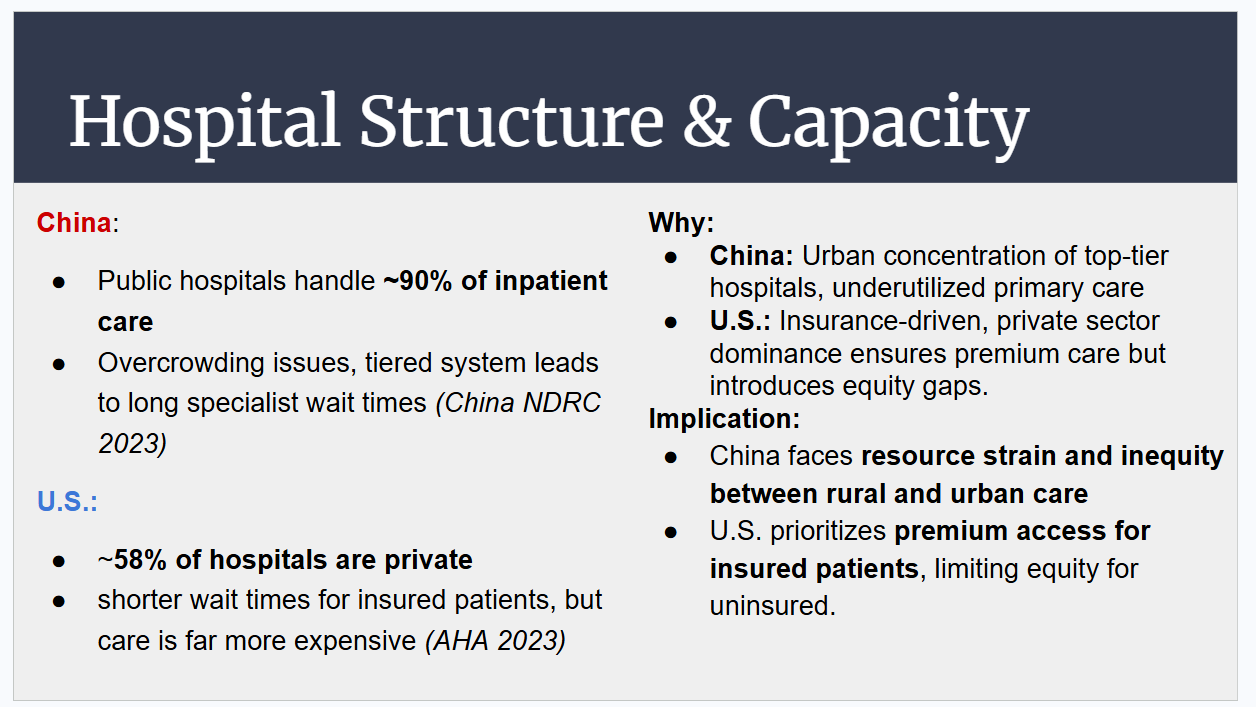
Healthcare System Comparison
Students compared healthcare systems in the United States and China. Their analysis examined several dimensions:
- access to care
- hospital capacity
- telemedicine adoption
- cost structures
- system organization
This work demonstrates how students learn to analyze complex systems involving policy, infrastructure, economics, and technology.
What Makes These Deliverables Different
These deliverables are different from ordinary school assignments in three ways.
This is why the deliverables shown here are not just "student projects." They are early evidence of Global Competence formation.
How Students Work
Student work is produced through a structured training process, not through isolated assignments.
In practice, SEE China combines three layers of training:
A typical day moves from visits and lectures to team-based analysis and collaborative work, followed by reflection, discussion, and periodic presentations.
Students also work across defined team roles and real project responsibilities, which helps them build habits of coordination, communication, and delivery.
What Students Actually Learn to Do
Through these deliverables, students begin learning how to:
In other words, they begin developing the two core capabilities SEE China trains:
Structured Judgment — the ability to analyze complexity, compare systems, and make sound decisions
Reliable Execution — the ability to organize work, collaborate effectively, and deliver accountable outcomes
Applied across national systems, these capabilities become Global Competence.
Why This Matters for College and Future Careers
Leading universities increasingly look for more than strong grades and test scores. They look for evidence that students can think independently, analyze complexity, communicate clearly, and work effectively with others.
The work students produce in SEE China helps make those abilities visible.
Through structured U.S.–China comparison, system analysis, collaborative projects, and final deliverables, students demonstrate three qualities that matter strongly in college admissions and future careers: intellectual curiosity, analytical thinking, and collaboration with accountability.
These are not only academic strengths. They are also increasingly important in the AI era.
As knowledge and productivity become easier to access, what becomes more valuable is the ability to make sense of complexity, compare how different systems operate, and turn observation into structured, reliable output.
This is why student work in SEE China matters. It does not simply show that students participated. It shows how they begin developing Global Competence — the ability to exercise Structured Judgment × Reliable Execution across systems.
For students, this can lead to clearer academic interests, better major and career direction, and stronger material for future applications and interviews. For families, it offers visible proof that the program is not only enriching, but formative.
Explore More Evidence
To see how these deliverables are produced, explore the 2026 Program page. To understand the broader training logic behind them, visit the About page. To hear directly from students and families, visit the Testimonials page. To explore past program design and structure, see the 2025 and 2024 Program pages. To see the cities, universities, and companies students visited and analyzed, explore the 2025 and 2024 pages.

