2026 Focus and why SEE China deserves serious consideration
Why Families Should Take SEE China Seriously
SEE China has already shown clear proof signals in the past two years, including participation from 30+ top U.S. universities, over 50% referral share in the 2025 cohort, measurable knowledge and perception gains, and visible student outputs.
SEE China 2026 brings together two lines of Youth4AM’s work. One is AI-SURE, Youth4AM’s professional capability foundation, developed since 2019 to help students build stronger judgment and deliver reliable outcomes in real-world contexts. The other is Global Competence | China Track, originally designed to address the modern China knowledge gap and intended for launch in 2020 before being delayed to 2024 by the pandemic. Across programs, Youth4AM has trained 1,000+ students from NYC top high schools and 50+ leading U.S. universities and has been acknowledged by dozens of federal, state, and city officials.
AI did not create either line of work, but it has made both more urgent — and their combination more necessary. Together, they come together in SEE China 2026 as a future-pathways field training program for Global Competence in the AI era.
What Students Will Focus On in 2026
In 2025, SEE China helped students see AI — to notice how AI was already changing everyday life, industries, and cities. In 2026, SEE China helps students understand how AI forms competitive advantage at the national, industry, and personal levels by observing and comparing China with the United States across five dimensions: national, infrastructure, city, industry, and institution/company.
The goal is not simply to leave students with a stronger impression of China. It is to help them build the Global Competence the AI era increasingly demands —so they can connect both to their own future pathways.
Robotics and Embodied AI How intelligence moves from software into physical systems and real-world use.
What Students Do and Where They Go
A Typical Day
A typical day in SEE China is not organized as passive touring. It is organized as a linked learning-and-training cycle. On a typical day, students may:
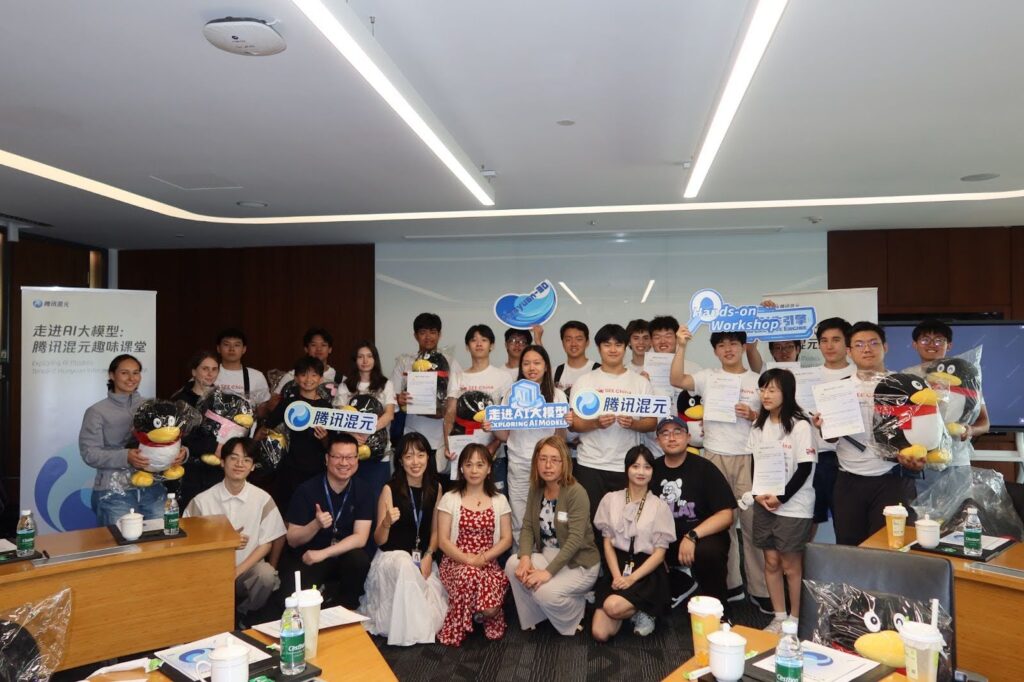
enter a university, company, market, lecture, or infrastructure environment
observe one part of a larger system in action
compare what they are seeing with prior cities, prior industries, or the United States
spend around 2 hours on reflection, teamwork, and required outputs — time made possible in part by program-funded coach bus transportation, which helps preserve work time that would otherwise be lost to large-group logistics
capture key takeaways that later feed into weekly and final synthesis
At the same time, the program is not only academic. Students also experience the China that makes the program vivid and memorable:
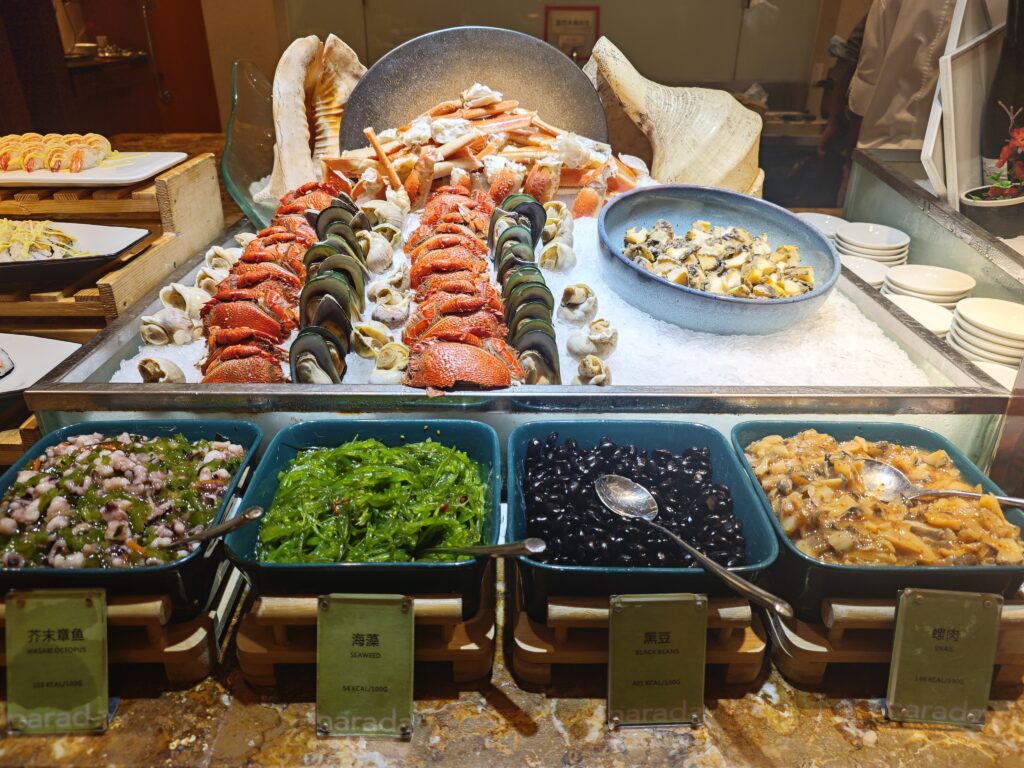
local food
city life
digital payment and shopping systems
transportation systems
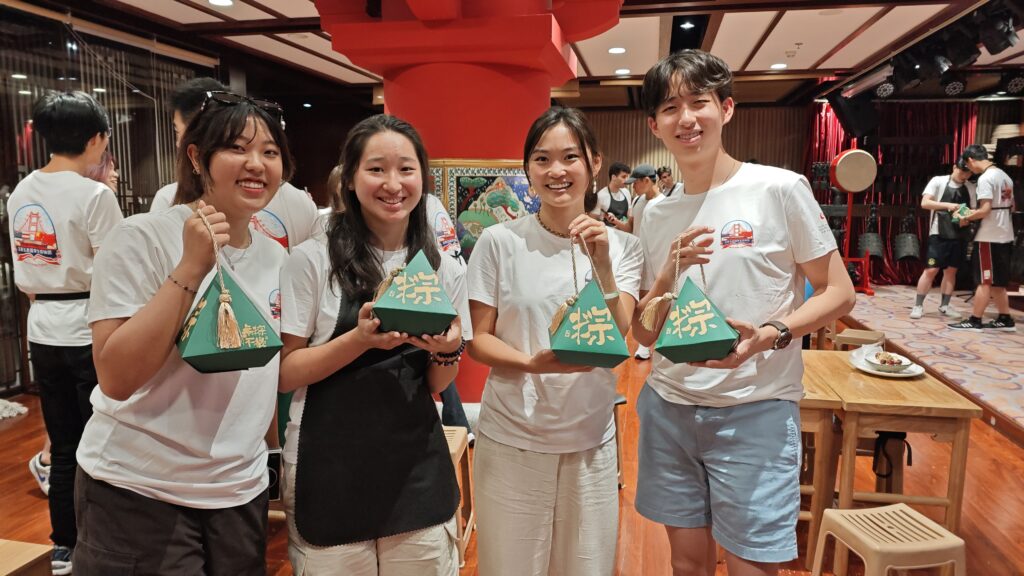
selected cultural and social experiences
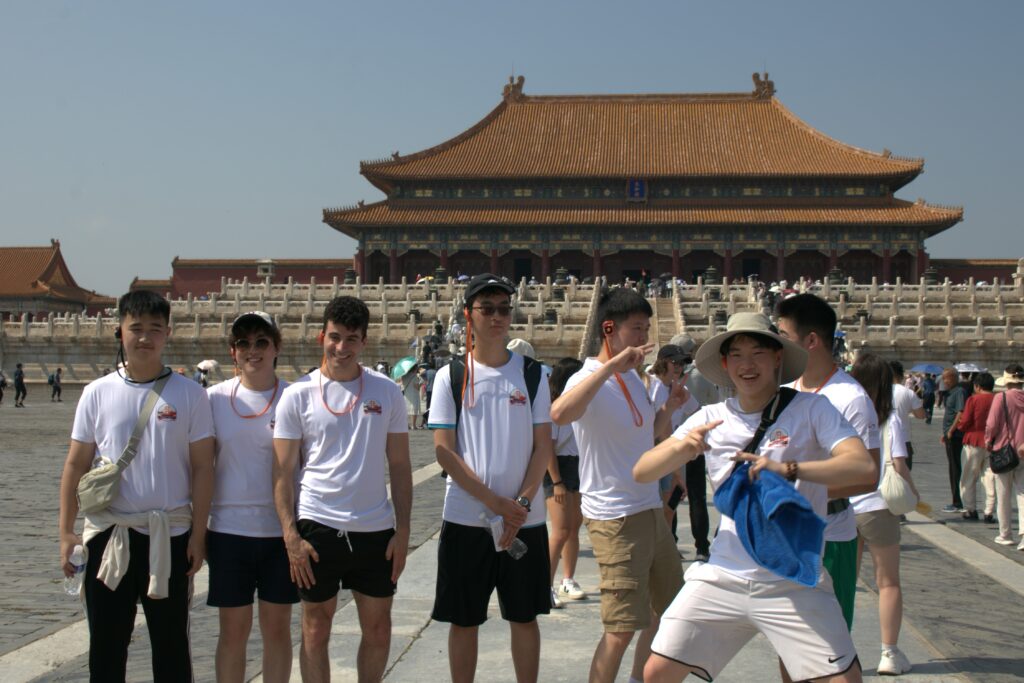
iconic sites and landmarks
These are not separate from learning. They are part of how students experience how technology, infrastructure, markets, and daily life actually connect. Cultural and social experiences are a meaningful part of the program, but they remain a smaller part of the overall design than the structured academic and training components.
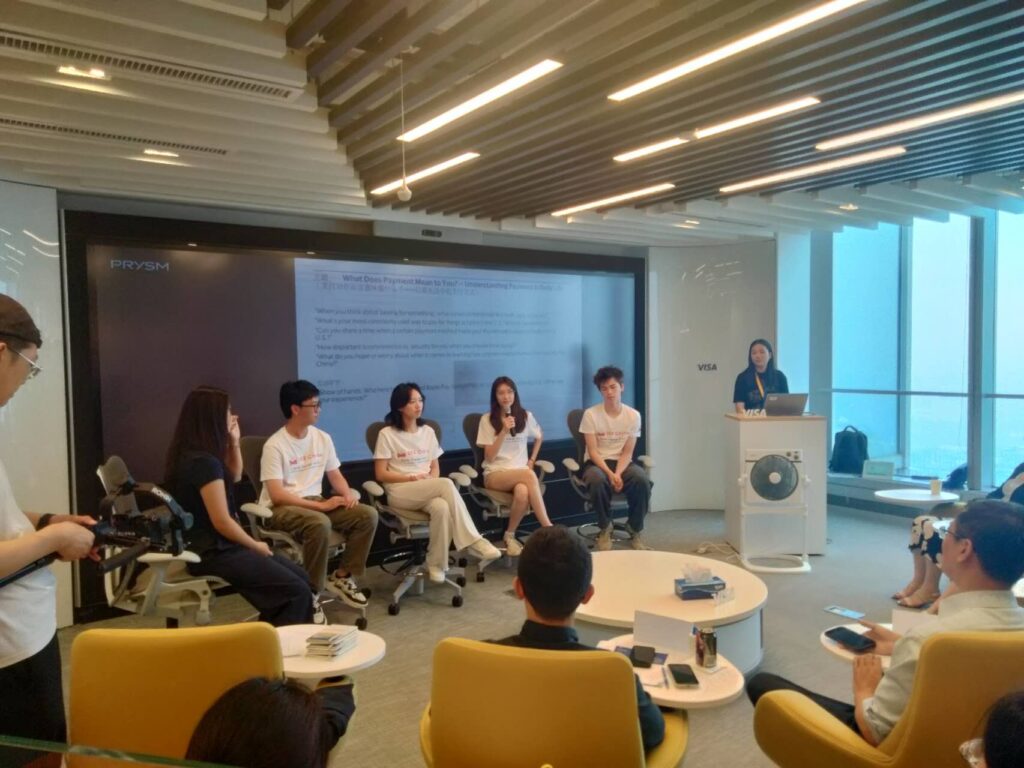
Visa Beijing Innovation Center
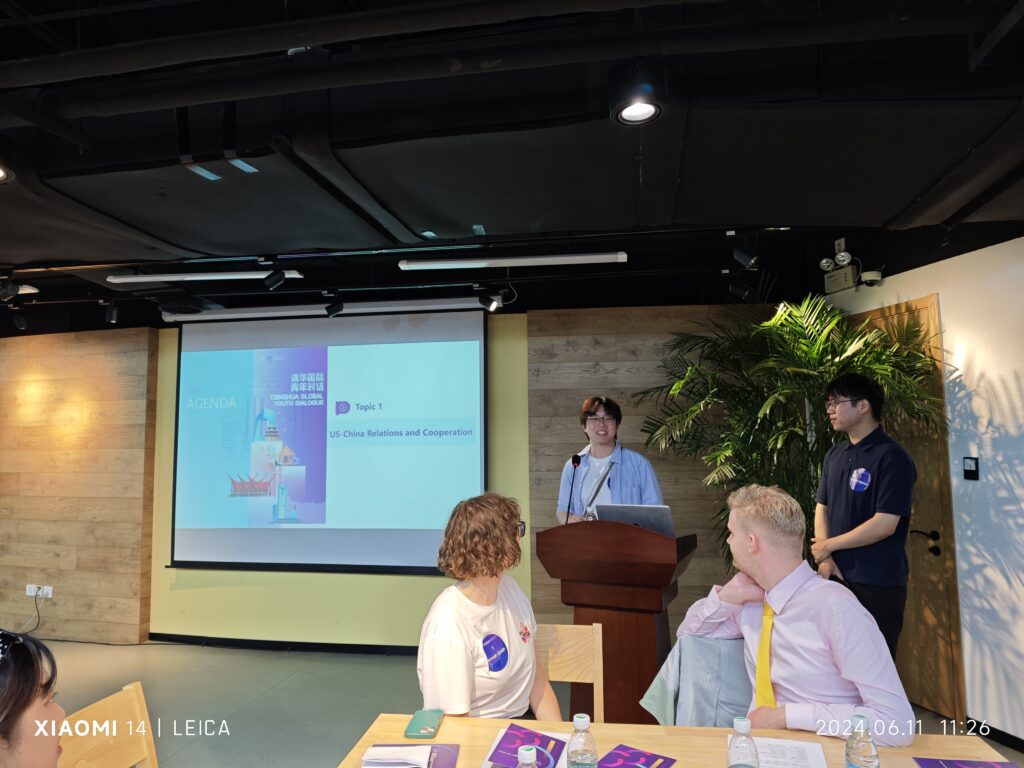
Tsinghua University
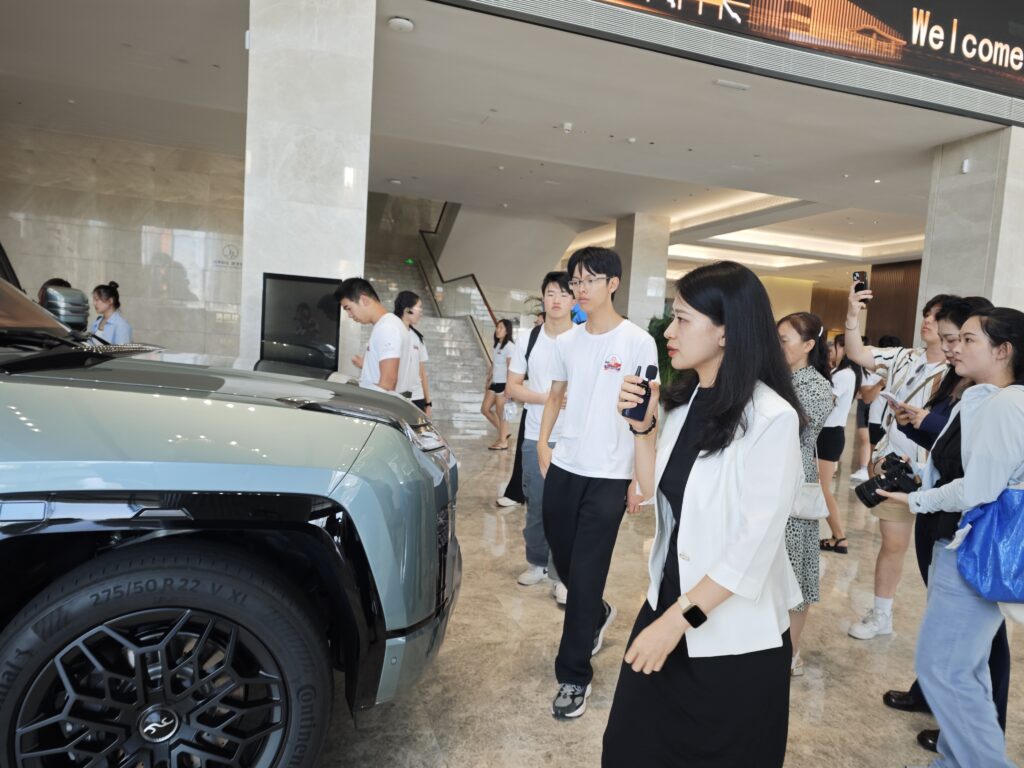
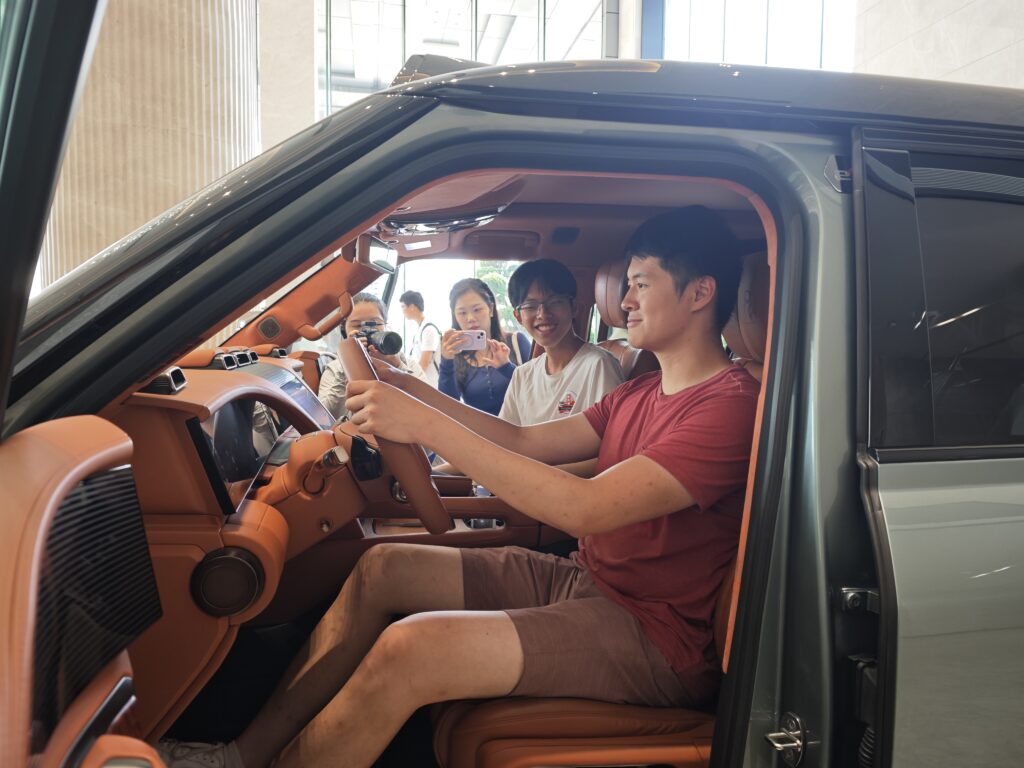
EV and Smart Mobility How software, hardware, batteries, and urban infrastructure combine to create system advantage.
A Typical Day in SEE China A typical day links real-world observation, system comparison, reflection, teamwork, and selected city-life experience into one learning cycle.
A Typical Week
A typical week functions as one coherent learning unit.
Each week usually includes:
one city or city-cluster as the main system window
selected university and company exposure aligned with the 2026 theme
repeated Daily Reflection
one Weekly Calibration point
one stronger layer of synthesis than the week before
That weekly rhythm matters because daily experiences, by themselves, can easily remain fragmented. Weekly Calibration helps students move from impression toward pattern recognition, clearer comparison, and stronger articulation.
Over the full program, students move from individual visits and observations toward a more integrated understanding of how national systems, industries, and personal pathways connect.
Digital Payments, Commerce, and Logistics How platforms, payments, and fulfillment systems reshape daily life and business.
AI-Powered Data Diagnosis and Optimization
AI Infrastructure and Cloud Systems How AI capability moves from model power into enterprise and real-world coordination.
Where Students Go
SEE China 2026 is expected to include four core first-tier cities — Beijing, Shanghai, Shenzhen, and Hangzhou. In addition, the program may also include one additional inland city and one or two additional specialized cities to help students see how competitive advantage is formed beyond headquarters and innovation hubs — through infrastructure, logistics, manufacturing, and large-scale system coordination.
Final city, university, and company selections are still being finalized, but the overall level will remain comparable to the kinds of institutions and companies included across the 2024 and 2025 programs.
To see representative examples from recent years, explore the 2024 and 2025 cities, universities, and company pages.
Building the Core Capability Foundation the AI Era Demands